Ola Rokita

Hi! I am Ola and I want to share with you my simple baking recipes that can change your life and how you feel.
[Read more >>>]

Banana Bread

Ola Rokita16 February 2019Comment (1)

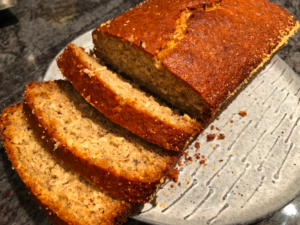
Banana bread

Having kids often means having ripe bananas lying around your kitchen. Since I like to avoid throwing away food, I try to find creative ways of salvaging what I can. If I don’t use my leftover bananas or fruit in my smoothies, I try to bake with them.

One of my go-to recipes for using very ripe bananas is Banana Bread. It’s easy to make and kids love it for breakfast, or as a snack at school. It’s easy to pack, making it very portable.

To make my banana bread extra nutritious, rich in protein and fiber, I add almond meal, coconut flakes, and sometimes even grated apples. It not only gives my Banana Bread extra flavor, but also makes it moist and delicately tart.

If the Banana Bread is more than one or two days old, I toast it gently and spread some butter on it. Yum!

When baking this sweet delicious bread, I recommend using room temperature ingredients. Especially when it comes to butter and eggs.

If you can, an hour before baking, take your butter and eggs out of the fridge and place them on the counter. I also recommend using the all-purpose wheat flour from Poland, type 550 for this recipe [click here to buy].

Banana Bread

Ingredients

  • 1.5 cups flour
  • 0.5 cup almond meal
  • 3/4 cups cane sugar
  • 2 whole eggs (room temperature)
  • 0.5 cup unsalted butter (about 100 grams) (room temperature)
  • 0.5 cup plain yogurt or kefir (room temperature)
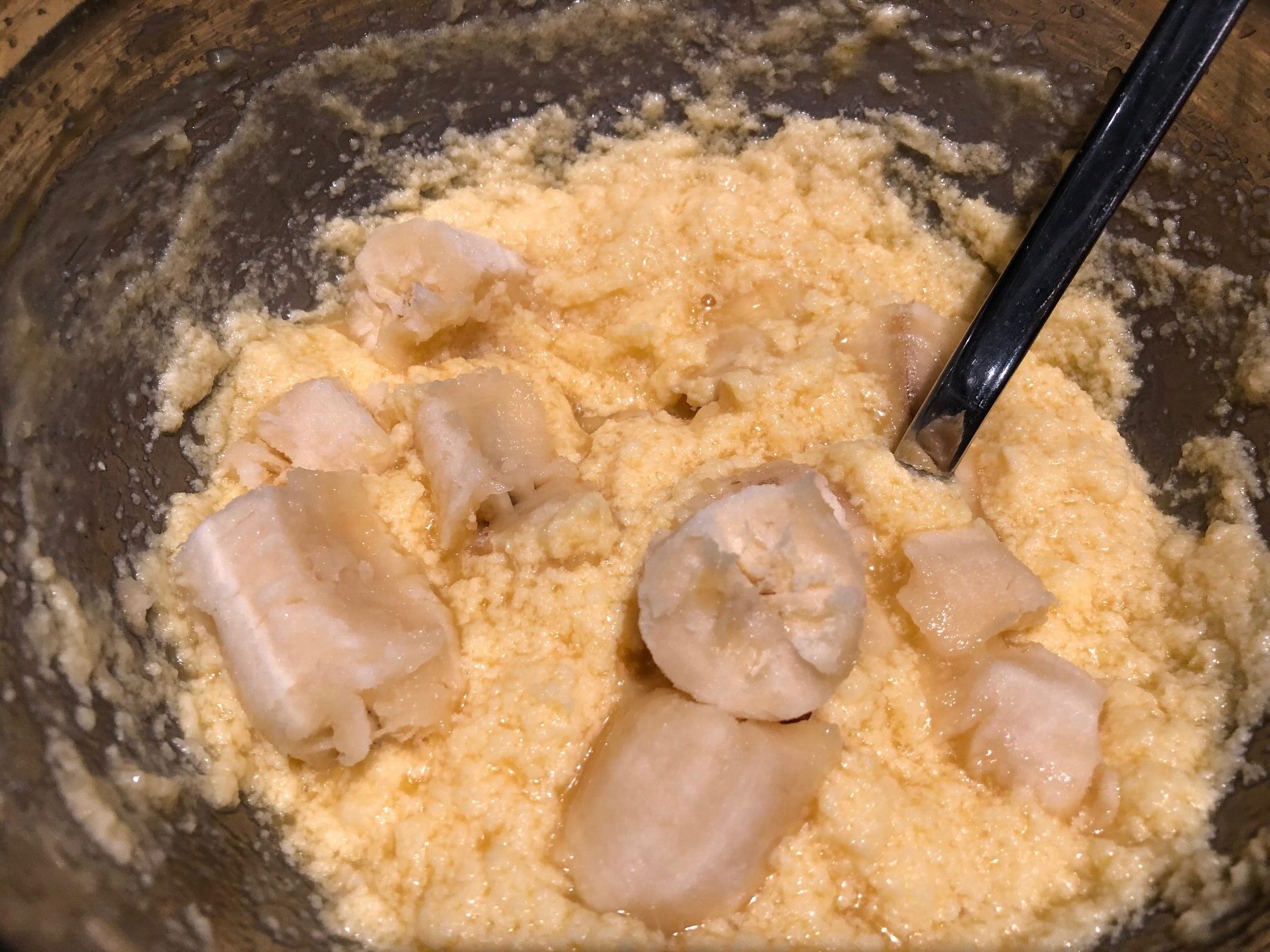
  • 1.5 ripe bananas
  • 6 tbsp coconut flakes
  • 1 whole grated apple
  • 1 tsp lemon juice
  • 1 tsp lemon zest
  • 1 tsp vanilla
  • 1 tsp baking powder
  • 1 tsp baking soda

Instructions

  1. Preheat the oven to 350 degrees Fahrenheit (180 Celsius).

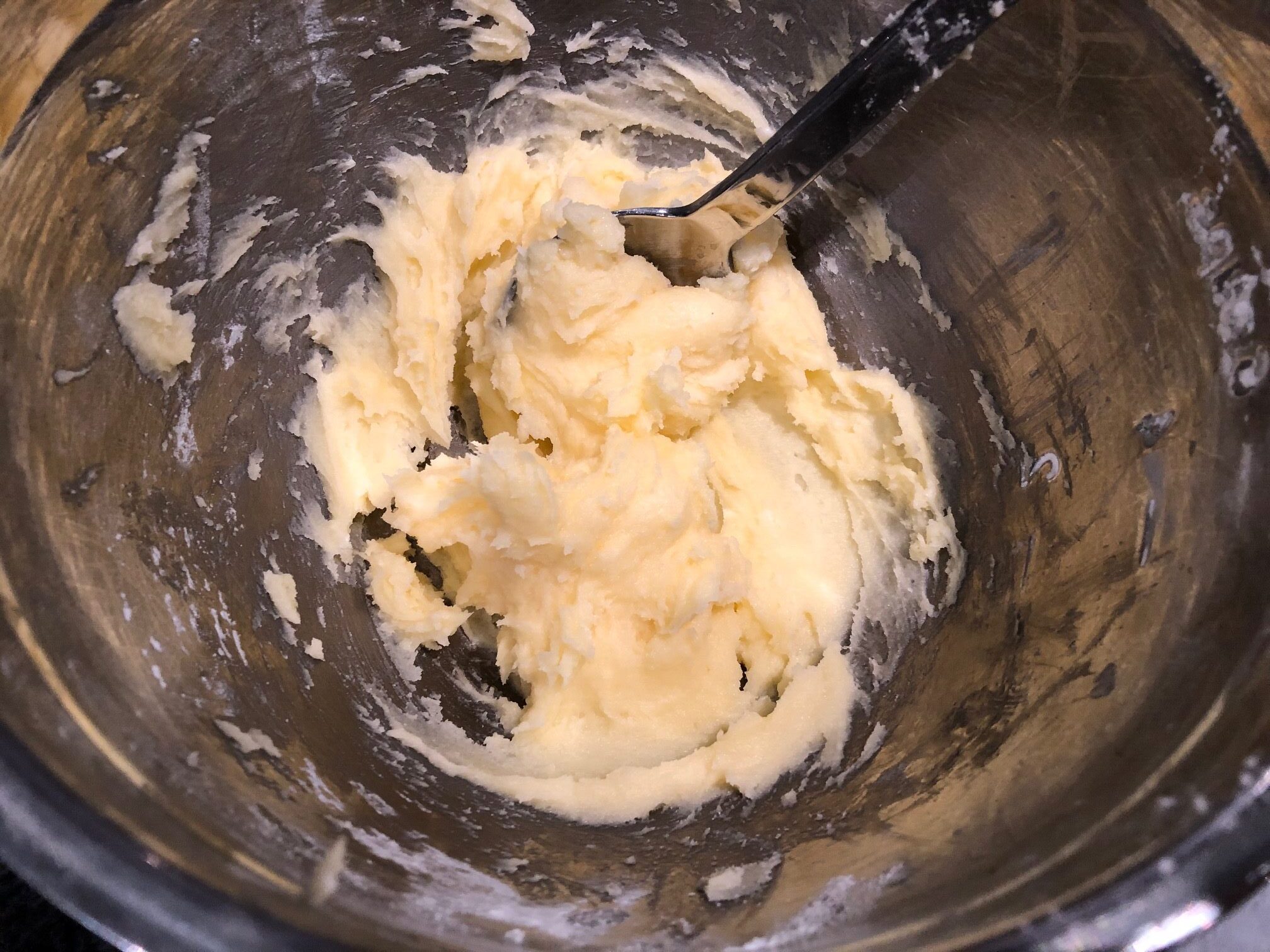
  2. Take a medium mixing bowl, add sugar and butter at room-temperature, and cream them together.

    butter and sugar
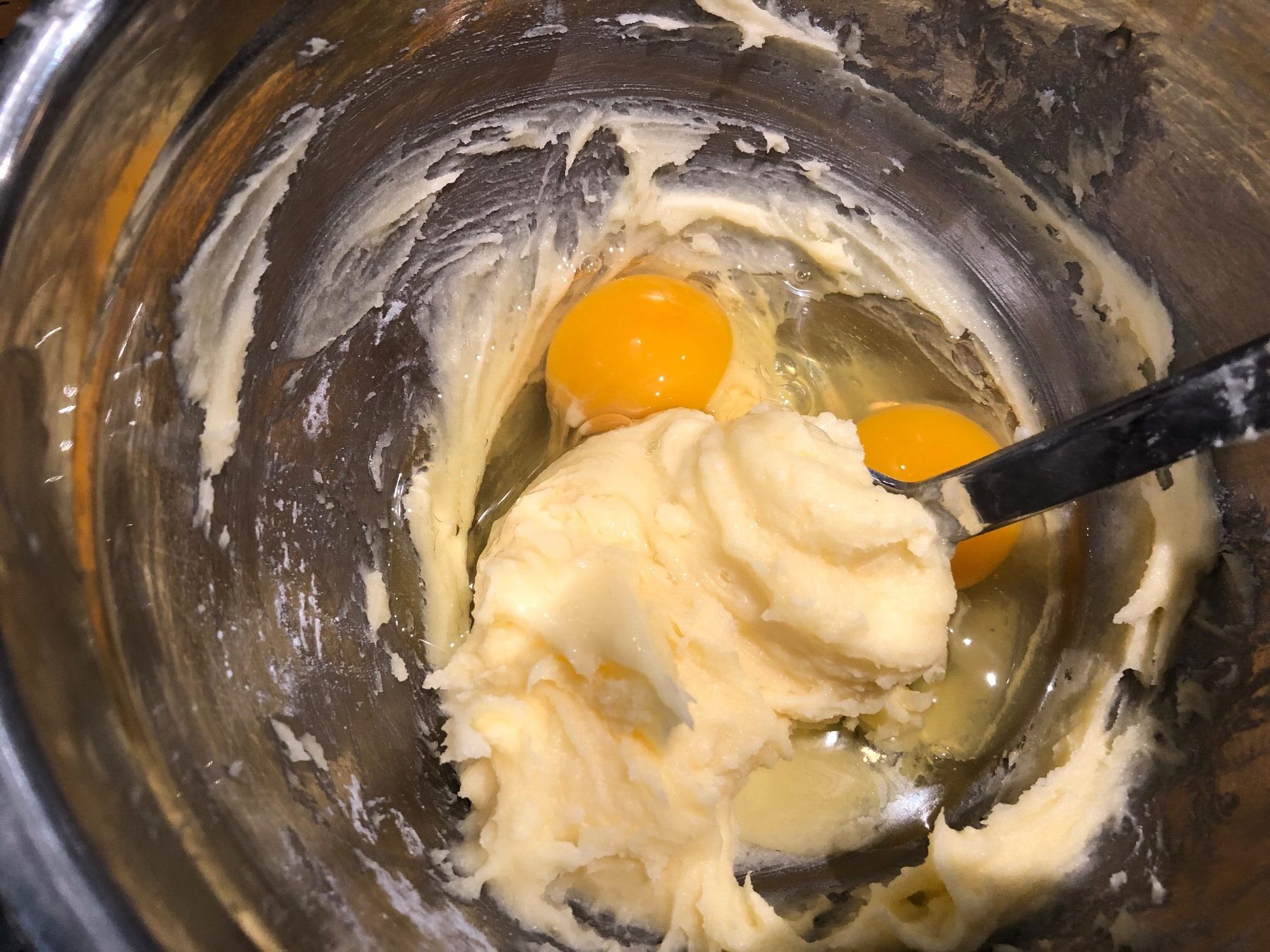
  3. Add eggs and continue mixing until well combined.

    eggs and butter
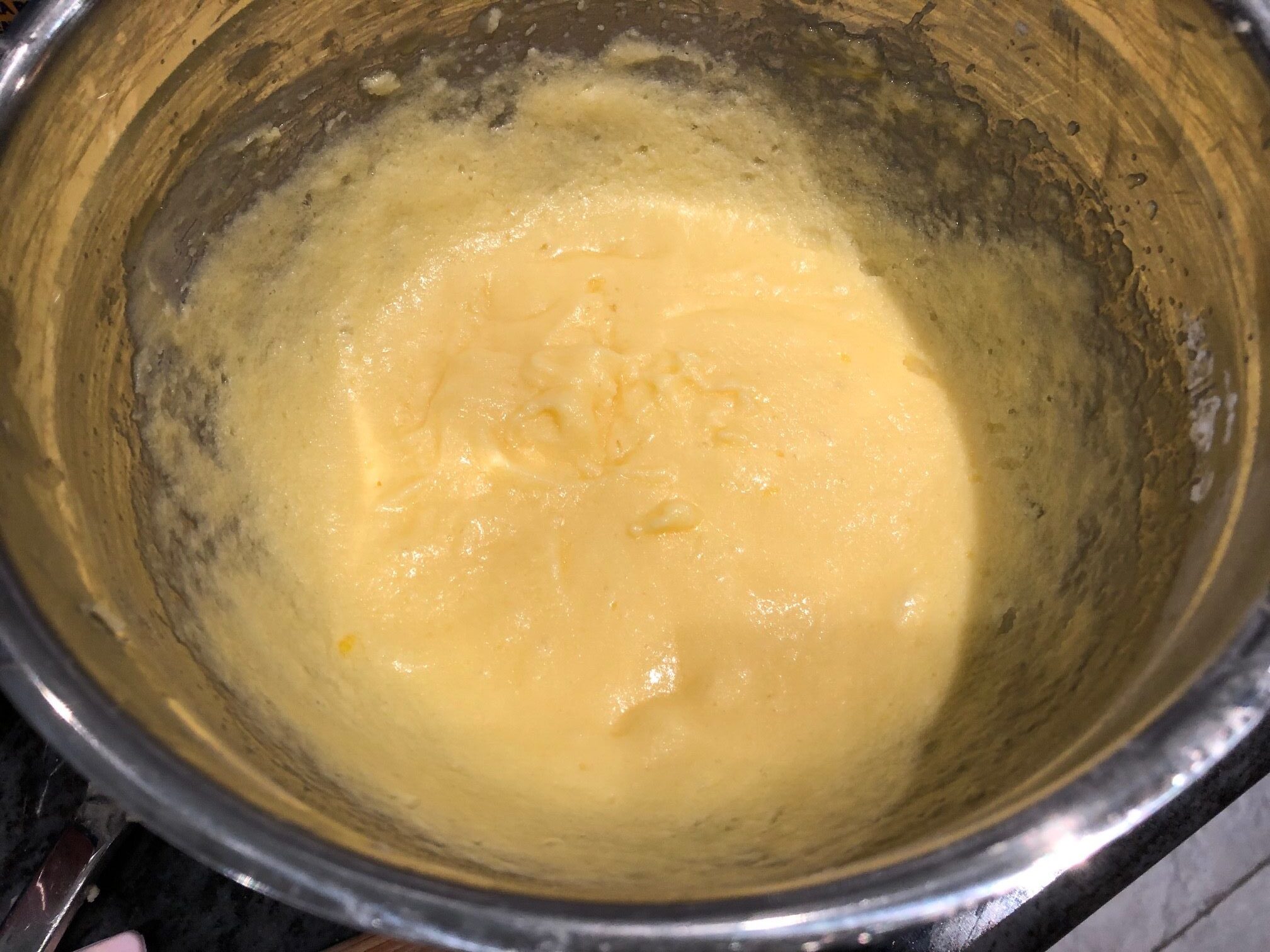
  4. Add kefir, or plain yogurt, and continue mixing.

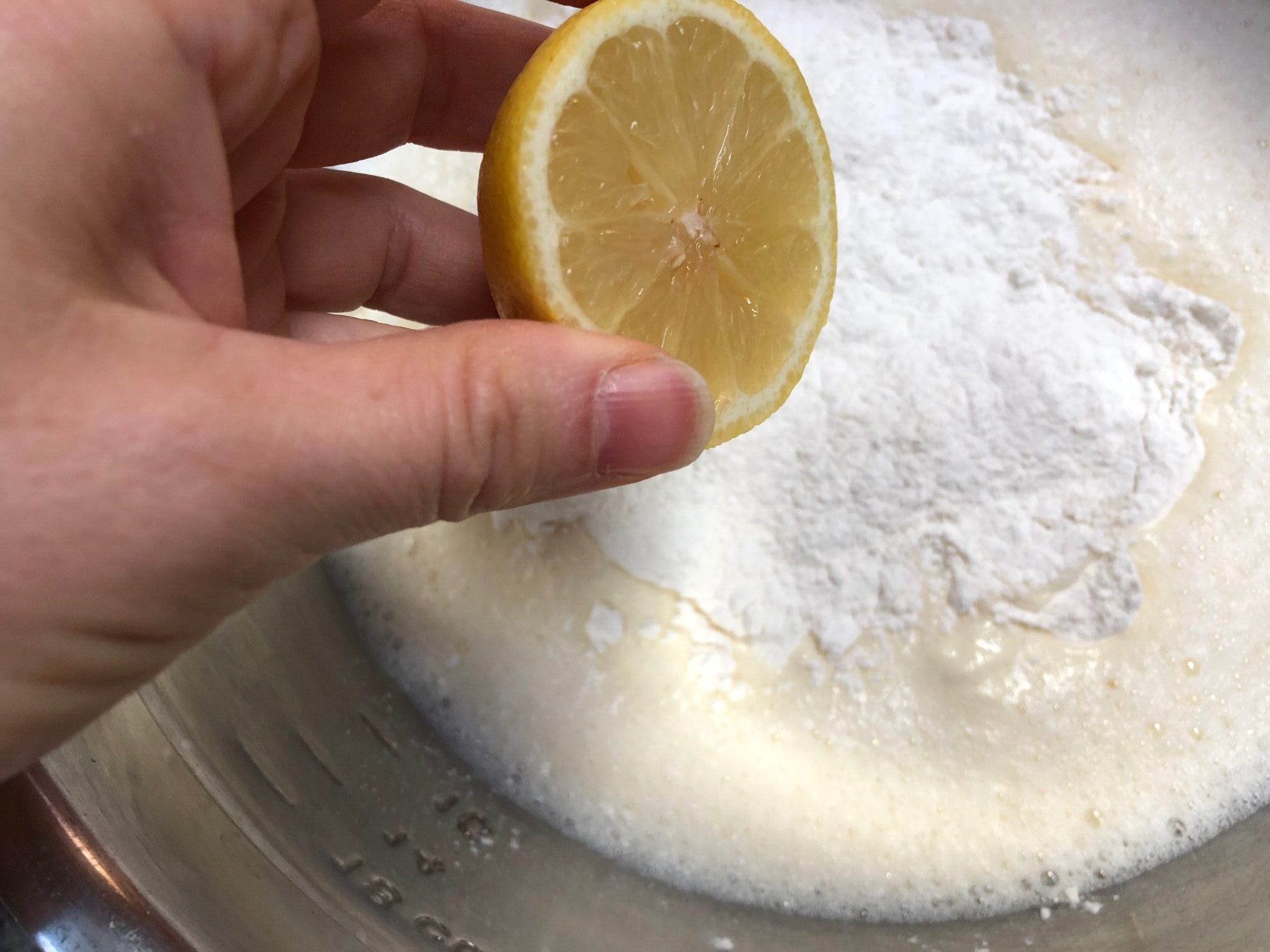
  5. Add chopped bananas, coconut, grated apple, almond meal, vanilla, lemon zest and juice, and gently stir.

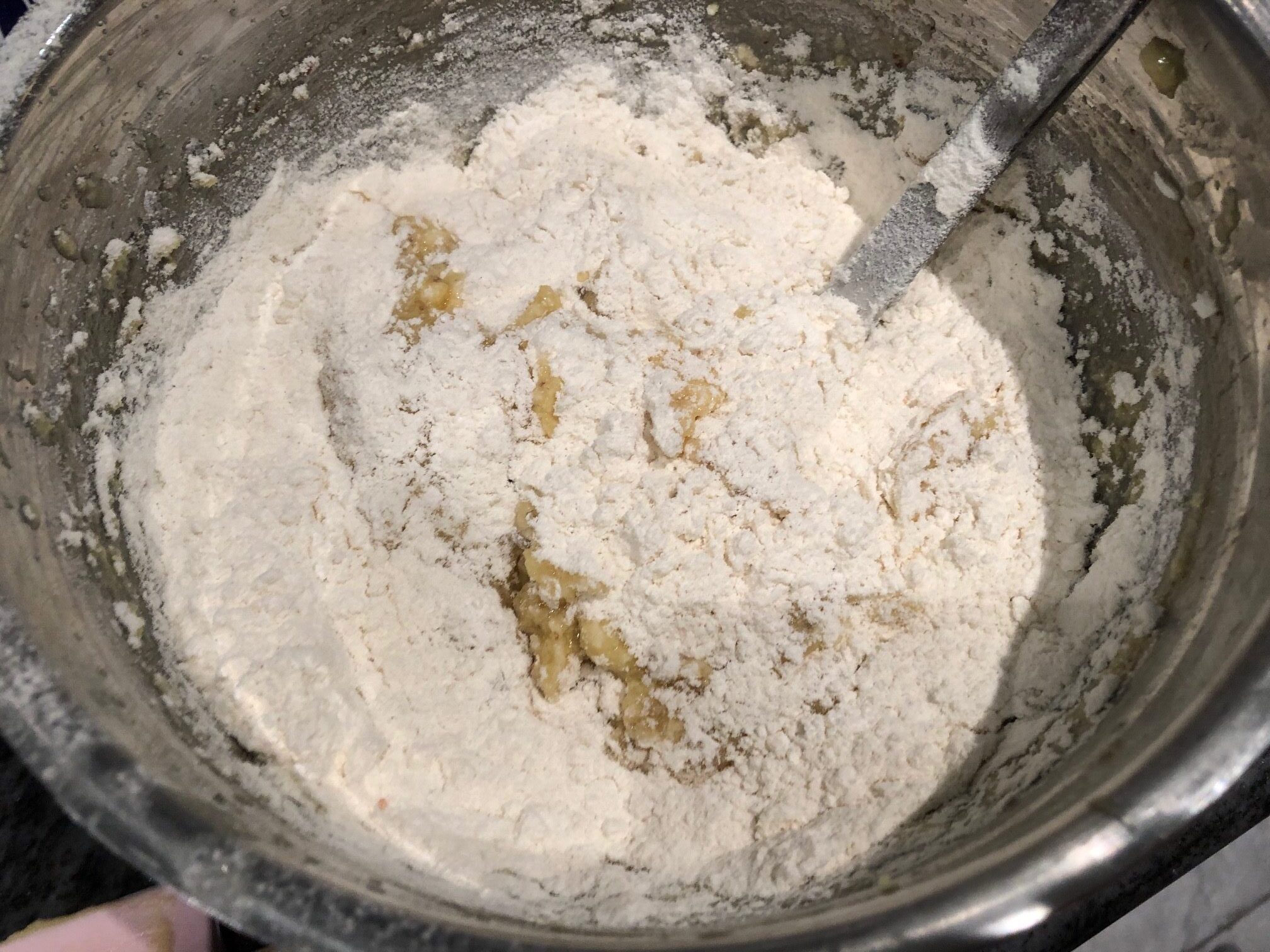
  6. In a measuring cup, combine baking powder and baking soda with the flour. Mix it well. Using a sieve, add it to the bowl with the rest of the ingredients. 

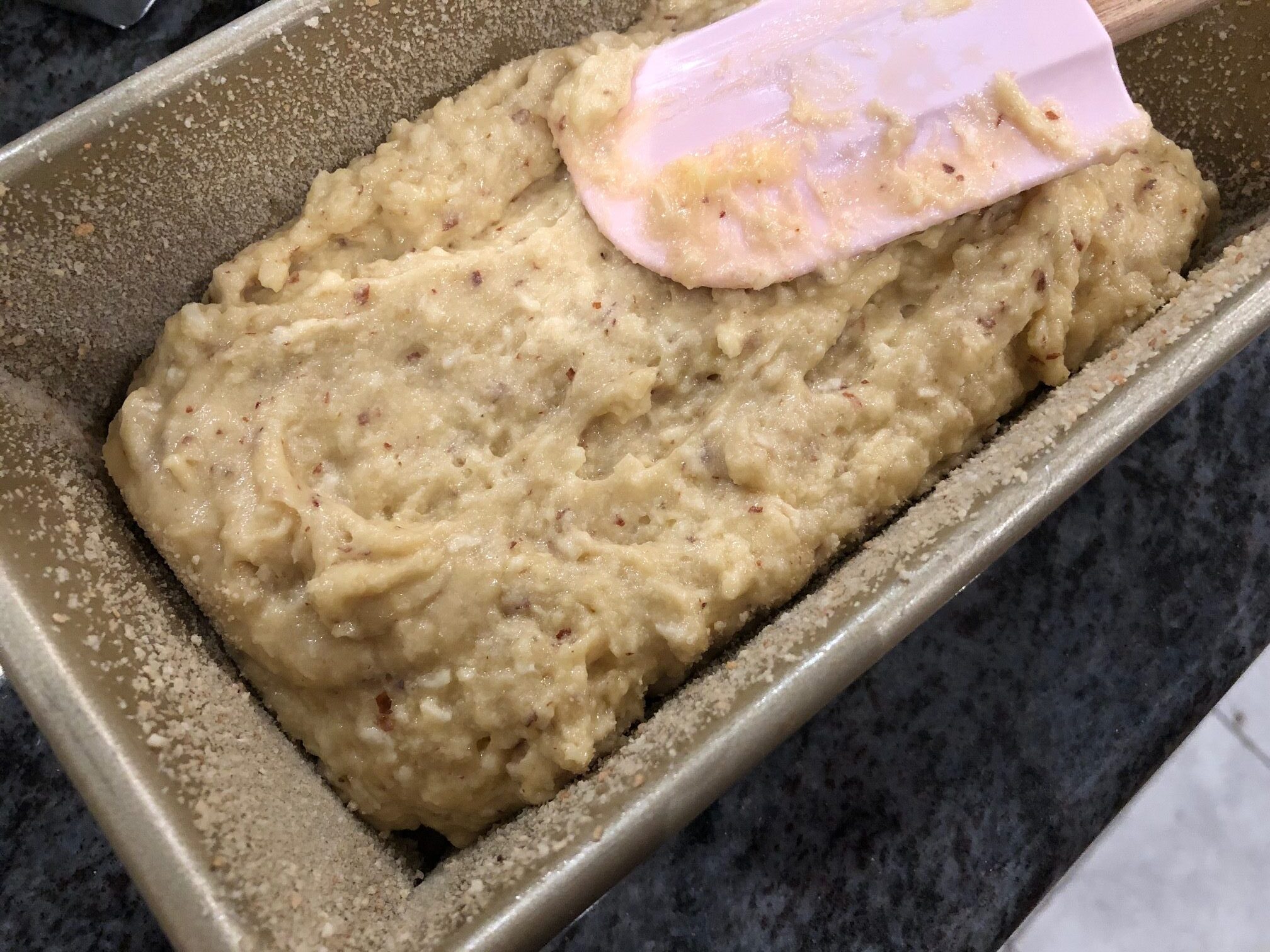
  7. Mix it all together and pour it into a lightly buttered and breaded loaf pan. 

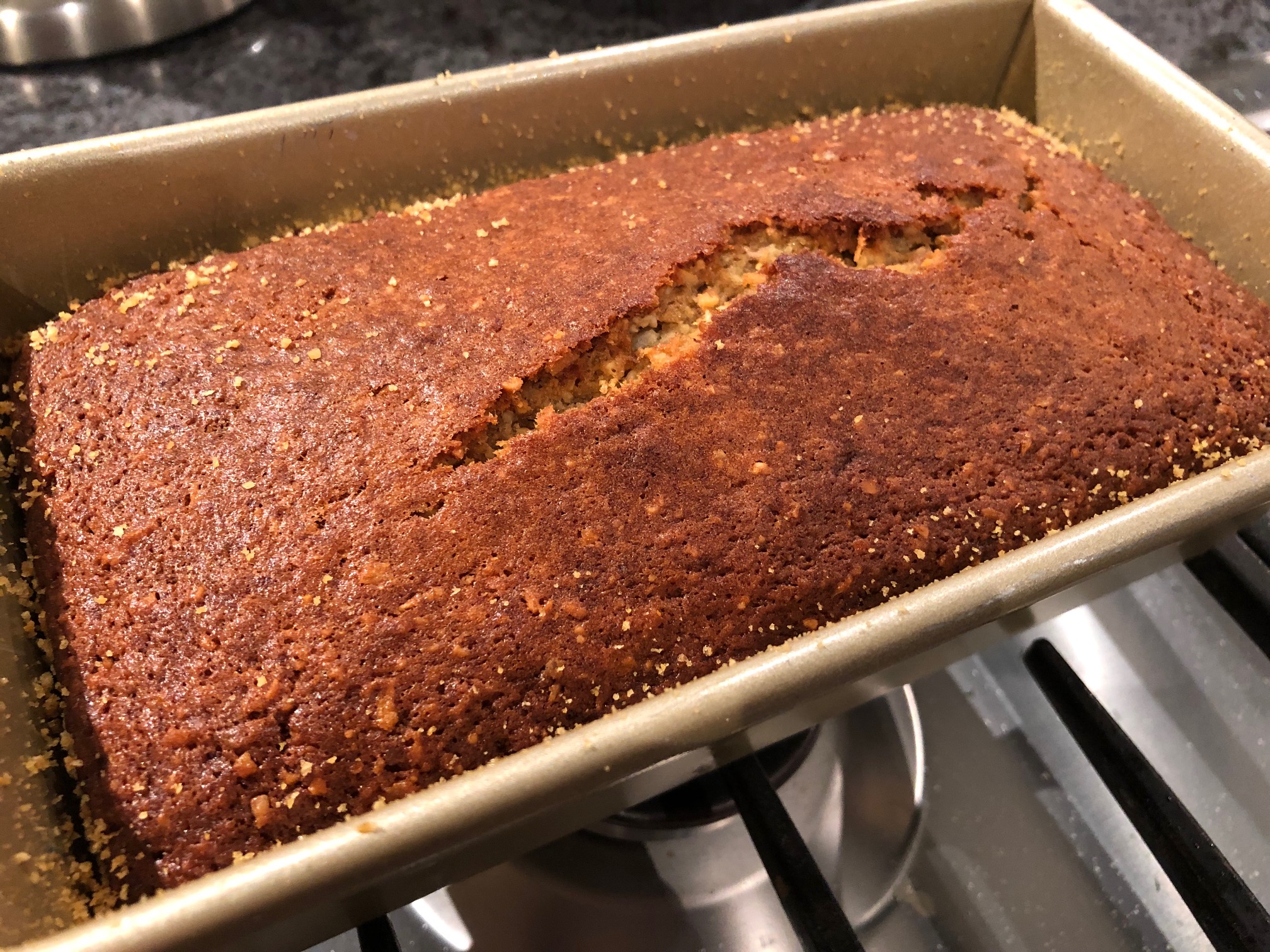
  8. Bake it for 45 - 50 minutes at 350 degrees Fahrenheit (180 Celsius). Let it cool for 10-15 minutes before eating. Enjoy!

    baked

Belgian Waffles

Ola Rokita05 February 2019Comments (3)

Belgian Waffles

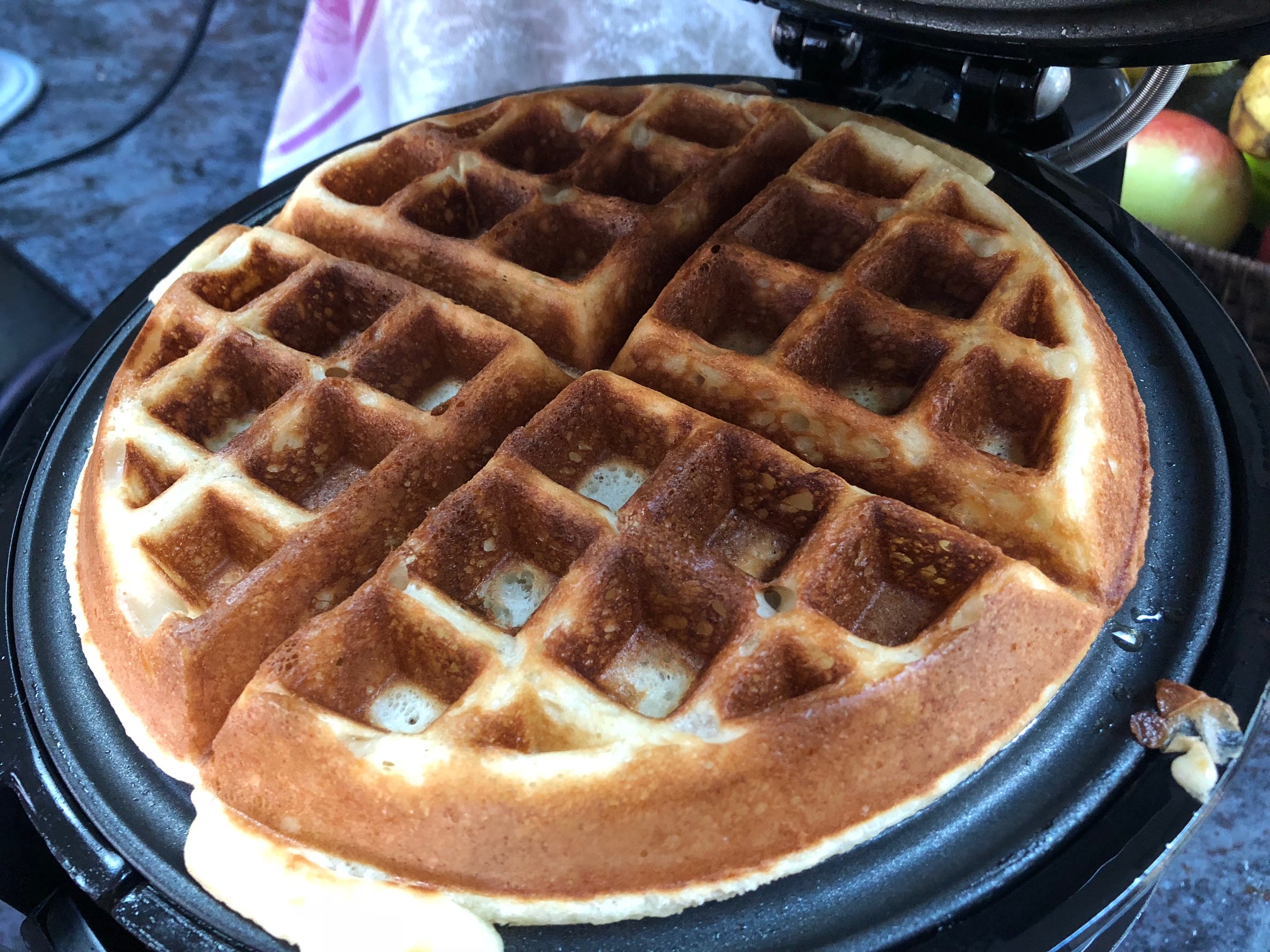
Belgian Waffles or, as I grew up knowing them, “Gofry”, are my favorite breakfast treat. Summers would not be summers without waffles. As a kid growing up in Poland, waffles were sold everywhere during the summer. They were sold on the beeches, in the town squares, near parks, or even by the road side. Kind of like you occasionally see a BBQ stand along the roadside in the U.S.

I am crazy about waffles, that’s why I make them regularly on Sundays for my family year round, not just summers. My kids love them too. They especially enjoy putting all kinds of toppings to make them their own. My favorite topping is a mix of berries with a dollop of whipped cream on top.

As with my other recipes, I avoid making my Belgian Waffles with baking powder. Of course you can replace yeast with one teaspoon of baking powder and 1/2 a teaspoon of baking soda.  However, yeast is natural and healthier. It does take a little longer to make them with yeast, but the benefits are worth the wait.

It’s also important to have a good waffle maker. There are several varieties out there, and they can range from about $30 – $60. If you’re a big fan of waffles and hope to make them at home at least every couple of months, then it’s worth investing in one.

For optimum waffles, I use wheat flour from Poland type 520-550. This type of flour is excellent to use for baking with yeast. It’s also not enriched like most local brands. Click here to learn why I only bake with this flour.

Belgian Waffles

Ingredients

  • 3-4 cups flour (Luksusowa)
  • 3 whole eggs
  • 1.5 cup milk
  • 2 tbsp cane sugar
  • 2 tbsp unsalted butter
  • 1 packet active dry yeast (25 grams or 1 oz of fresh bakers yeast)
  • 1 tsp lemon juice
  • 1/2 tsp lemon zest
  • 1 tsp vanilla extract
  • 1 tbsp melted unsalted butter (for brushing onto the waffle iron)

Instructions

  1. Warm up milk (do not boil it) and add eggs and sugar. 

  2. Mix it together over a low heat until the mixture is warm, but not hot.

  3. Add yeast and mix it further. Let it stand for 10 minutes so that the yeast activates.(wet mixture)

  4. In a large bowl, add flour, salt, lemon juice, lemon zest, and vanilla.

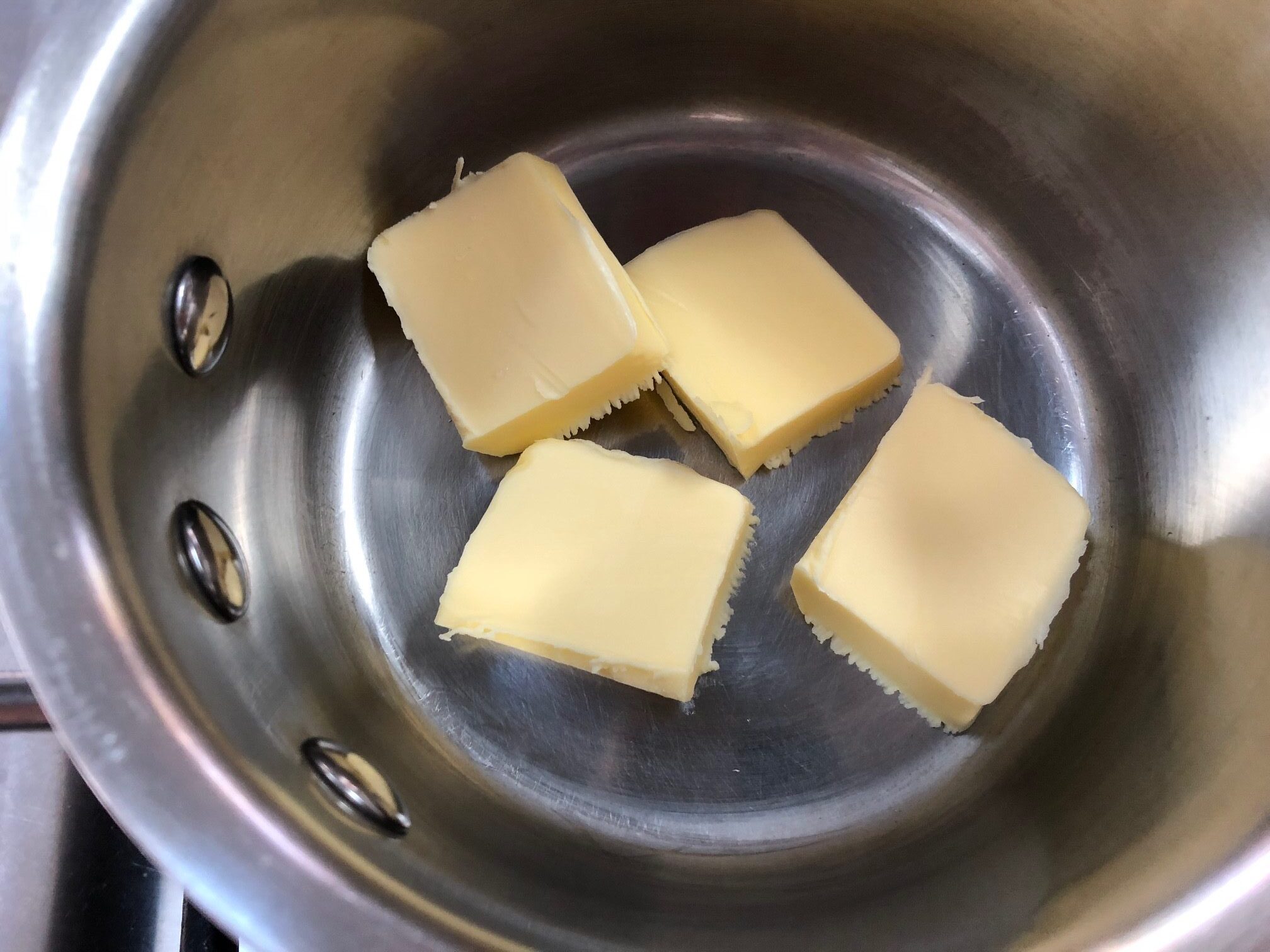
  5. Melt butter and let it cool for few minutes.

  6. Combine the "wet mixture" with the flour, salt, lemon juice, lemon zest, and vanilla in a large bowl and mix it well together until the batter is smooth.  

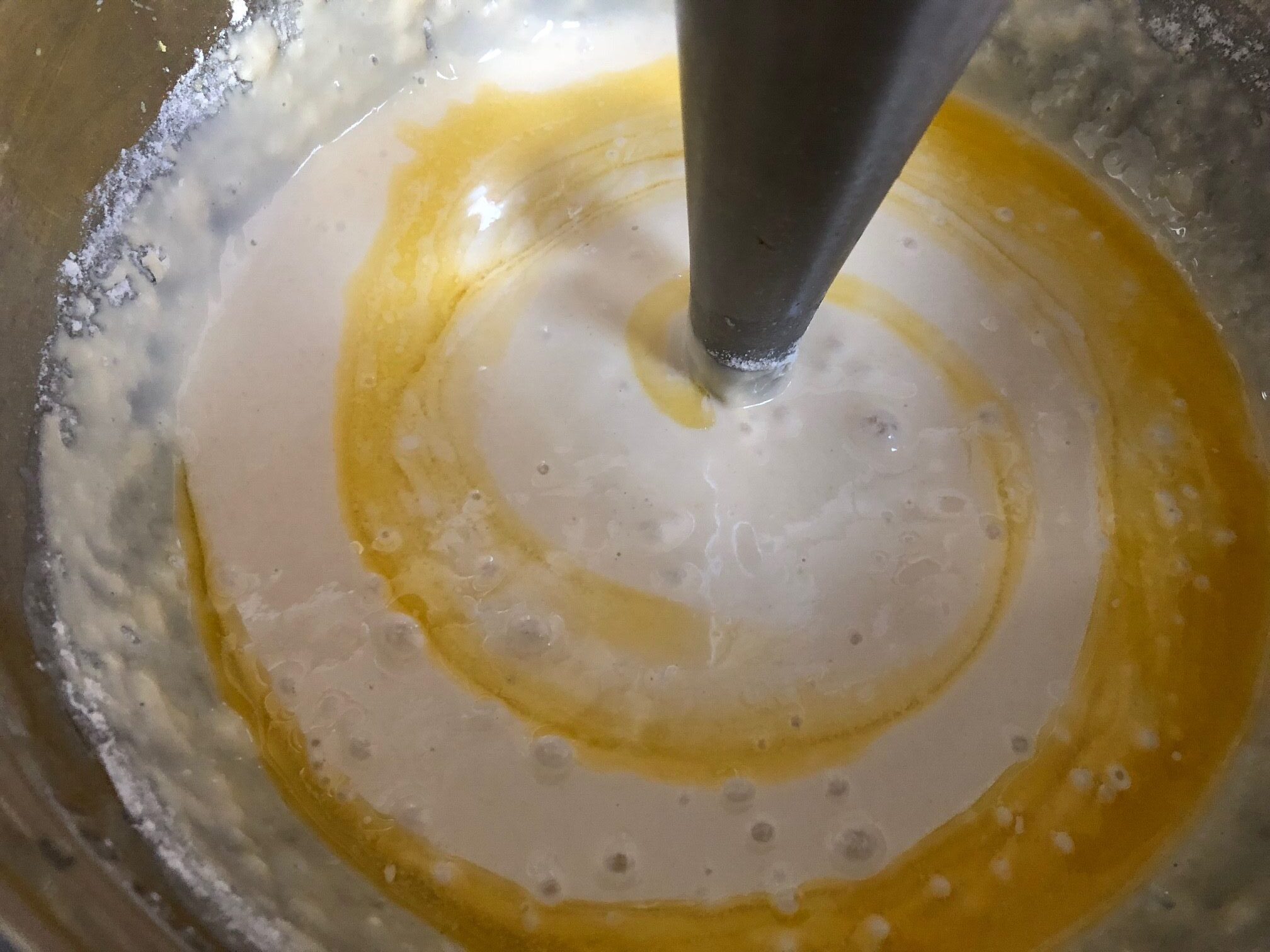
  7. Add the melted butter and continue mixing.

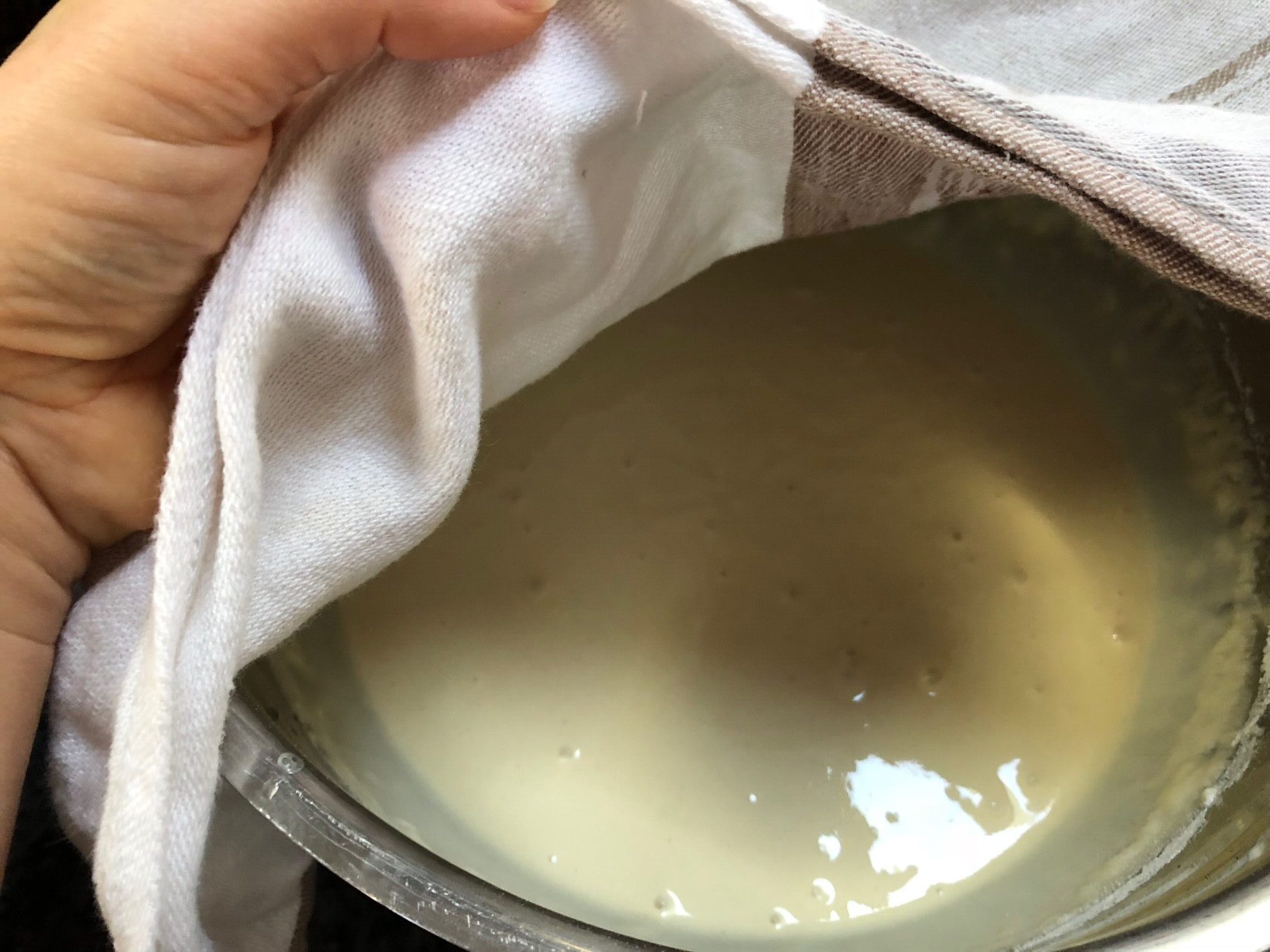
  8. Once thoroughly mixed, let it stand for 25-30 minutes covered with a dish towel for the batter to expand.

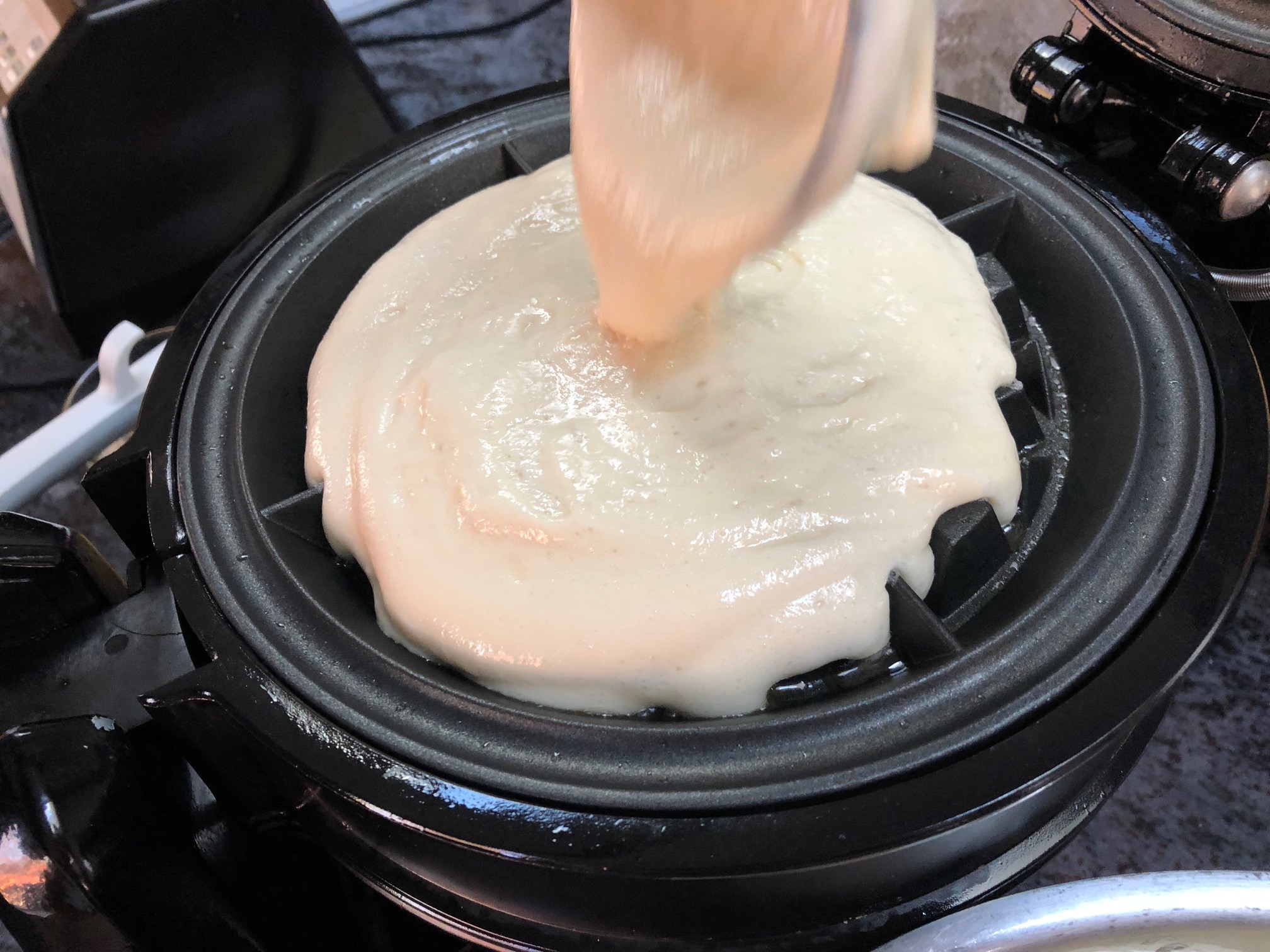
  9. Heat up the waffle maker and with a ladle pour enough batter to spread evenly throughout the iron space.

  10. Each waffle takes about 4 minutes to bake.

Latkes

Ola Rokita26 December 2018Comment (1)

Latkes

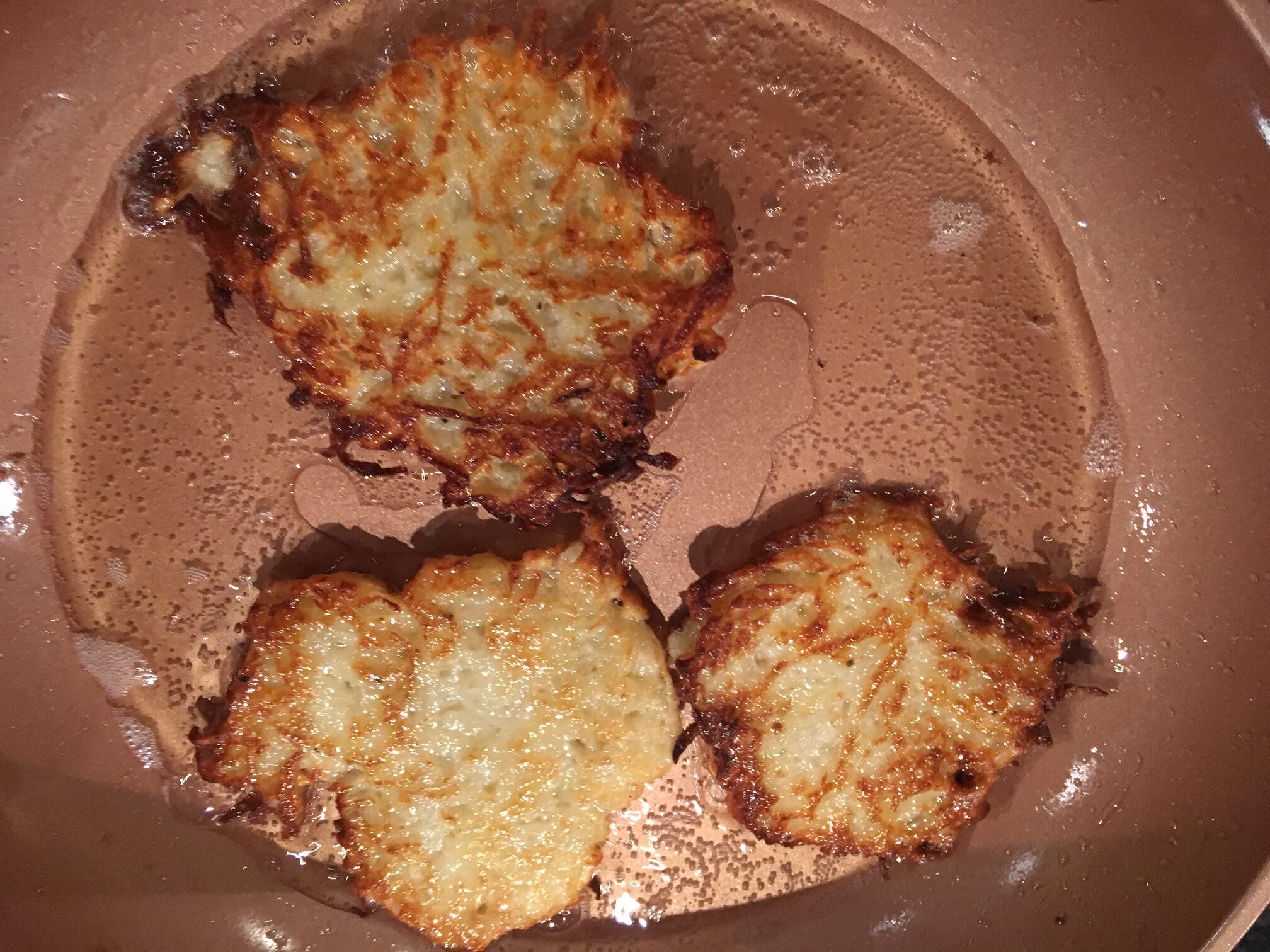
Fried Latkes

Latkes or potato pancakes, are the perfect comfort food during cooler winters months. When I was growing up in Poland this was our favorite winter dish. Other than on Hanukkah, latkes can be eaten as a side dish or just on their own.

My grandmother made the best latkes. They were extremely light and crispy, and tasted more like dessert rather than a side dish.

For superb texture, grate the potatoes by hand if you can

The key to making light and crispy latkes is to drain the excess fluid from the grated potatoes. And as much as using a mixer is a fast and easy solution to shred the potatoes and the onion into a pulp, nothing beats the old hand grater.

I like my latkes to have some texture, and by using the large holes on the hand grater, it gives the latkes a perfect texture. It also helps make them airier.

Fry your latkes in sunflower seed oil

My favorite oil for frying is sunflower seed oil. It’s a sweeter oil and much more delicate than canola or vegetable oils. Plus, with all the recent genetic modifications done to canola or corn in the US, I prefer to avoid these oils.

Sunflower seed oil contains higher level of monounsaturated fat, which is rich in vitamin E and lower in saturated fat. This makes sunflower seed oil better for your heart. If you can, try to avoid processed or partially hydrogenated oils. These are bad for your cholesterol levels and your overall heart health.

A small amount of flour will keep the form

I also use only wheat flour from Poland to hold the form. Very small amount of flour is needed if you want yours to be light and have fewer calories.

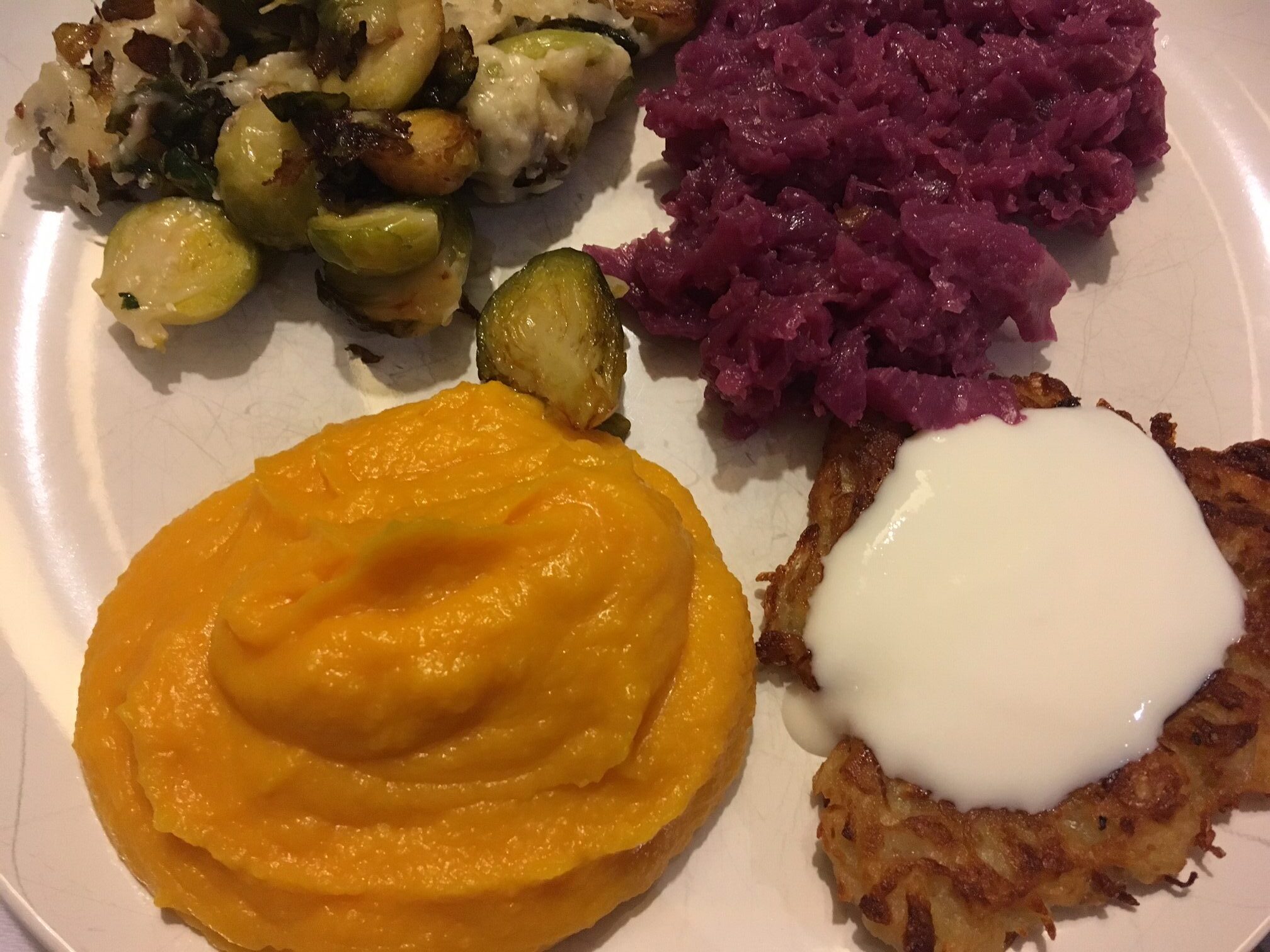
Of course latkes without sour cream or apple sauce are not complete. My favorite way to eat them is with generous amounts of sour cream. Tastes so yummy and my kids can eat ten in a single sitting!

Latkes

Ingredients

  • 4 large potatoes
  • 1 small onion
  • 1 whole egg
  • 2 tbsp flour
  • 2 tsp salt
  • 1 pinch black ground pepper

Instructions

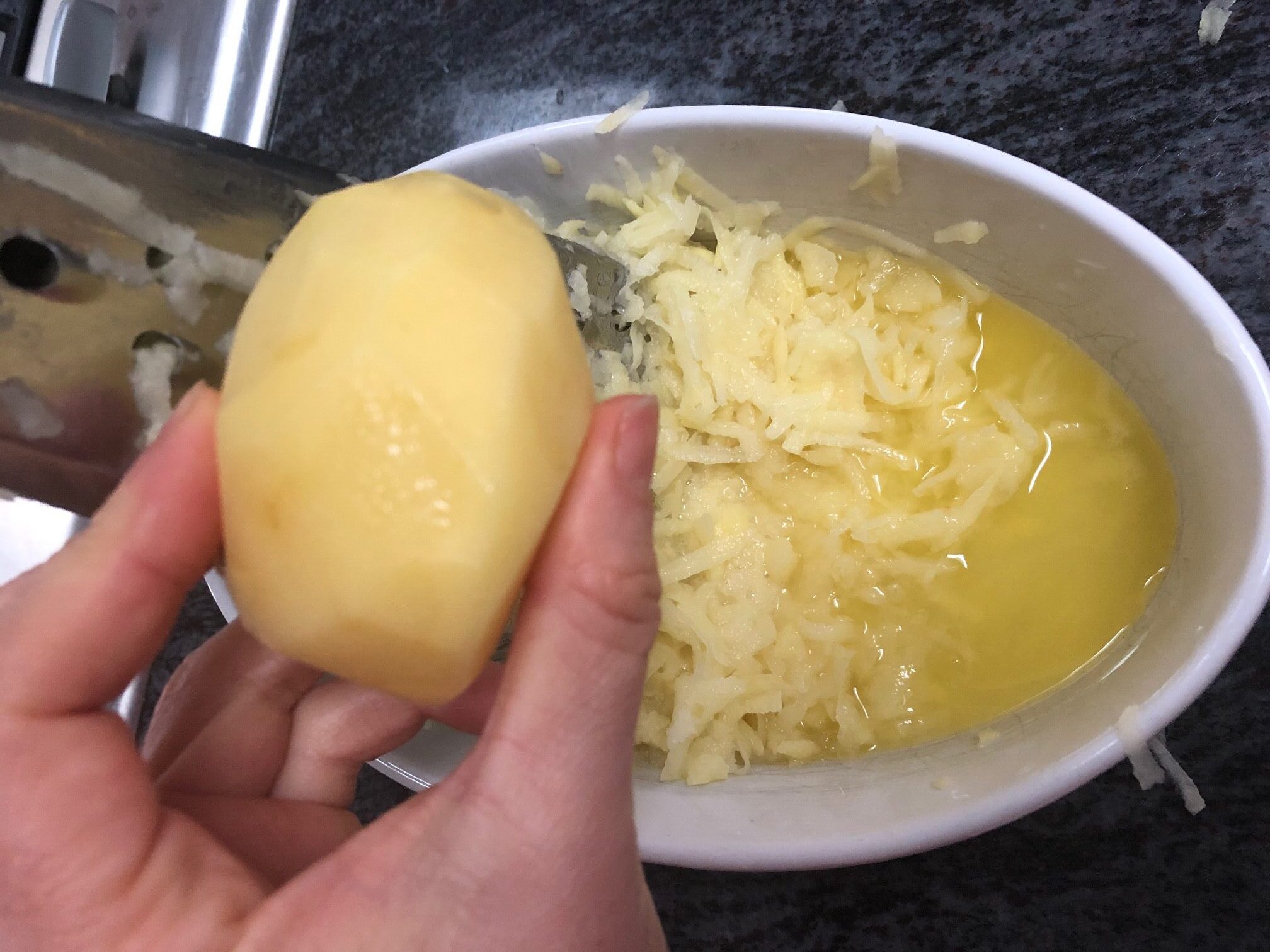
  1. Peal and grate the potatoes using a grater with medium or large holes. 

    peel potatoes
  2. After grating, gently tilt the bowl and pour out some of the excess juice. Then leave the grated potatoes on the side for about 10 minutes. 

    grate the potatoes
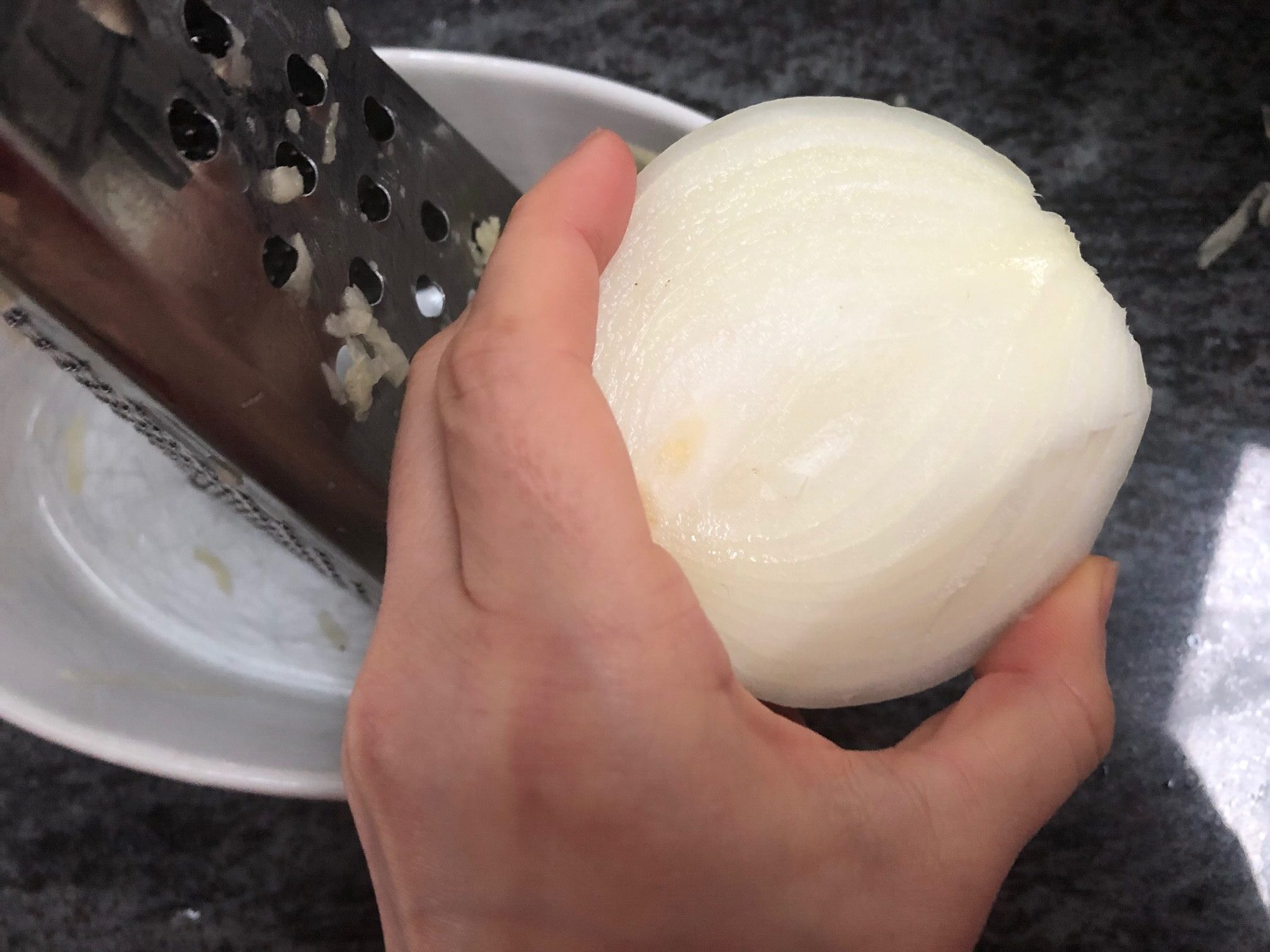
  3. In the meantime grate the onion. You can use the small or the medium holes on the grater.

    grate onion
  4. Go back to the potatoes and drain the remaining juice. You can use a sieve to do it more precisely. But if you simply tilt the bowl, and press the potatoes against the wall of the bowl and let the juice flow out, that should also do it.

    drain potatoes
  5. Next, using a spoon, mix in the flour, the egg, the salt, and the ground black pepper together with the potatoes. Then add the grated onion and mix them all together. 

  6. Pour about 2-3 table spoons of sunflower seed oil onto a frying pan, and heat it over a medium heat. 

  7. Lower the heat to medium-low, and gently scoop about two tablespoons of the potatoes mixture, and fry each pancake for about 1-2 minutes on each side.

  8. Place your latkes on a plate lined with paper towel to absorb any excess oil. Repeat the process to make the next latkes.

  9. Serve it with sour cream or apple sauce.

    latke with sour cream

Cinnamon & Almond Rolls

Ola Rokita08 November 2018Comments (6)

Cinnamon Roll Olas's BakeryCinnamon rolls and fall go perfectly together. Add the fact that my daughter loves cinnamon. Hence, her recent request to make cinnamon rolls. I was certainly inspired, especially since I knew this is going to be a popular snack with my kids.

As a kid back in Poland I used to love eating noodles in warm milk sprinkled with sugar and cinnamon, but adding cinnamon to pastry and bread is even better. And my daughter was not keen on eating noodles with warm milk. So cinnamon rolls it was going to be. But with an added boost of almond meal.

I always look at ways to add healthy ingredients to my baking. And cinnamon is certainly one of those healthy ingredients to keep it handy in your spice cabinet. Cinnamon is full of antioxidants, shown to reduce blood pressure, and even cut the risks of heart disease.

By adding almond meal, it adds even more health benefits to this recipe. Almonds are great source of fiber, protein, magnesium, and vitamin E.

And if you can find ways to make your kids eat it, it’s a win-win.

For this recipe I only use wheat flour from Poland type 550 or “Luksusowa”. It’s flour that’s not enriched and it’s excellent for baking with yeast [click here to buy].

Click here to learn why I only bake with this flour.

Cinnamon Rolls

Ingredients

  • 4-5 cups flour type 550 (luksusowa)
  • 1 cup milk
  • 2 whole eggs
  • 1 egg yolk (keep the egg white for glazing)
  • 5 tbsp sugar
  • 2-3 tbsp unsalted butter
  • 1 packet of active dry yeast (1/4 oz) (use 25 grams or about 1 oz of fresh yeast)
  • 1/2 tsp salt

For the cinnamon filling:

  • 1 cup almond meal
  • 2-3 tbsp sugar
  • 1 tsp cinnamon
  • 6 tbsp unsalted butter

Supplies you'll need

  • 1 sheet parchment paper
  • 1 rolling pin

Instructions

Basic Yeast Dough - similar to Challah

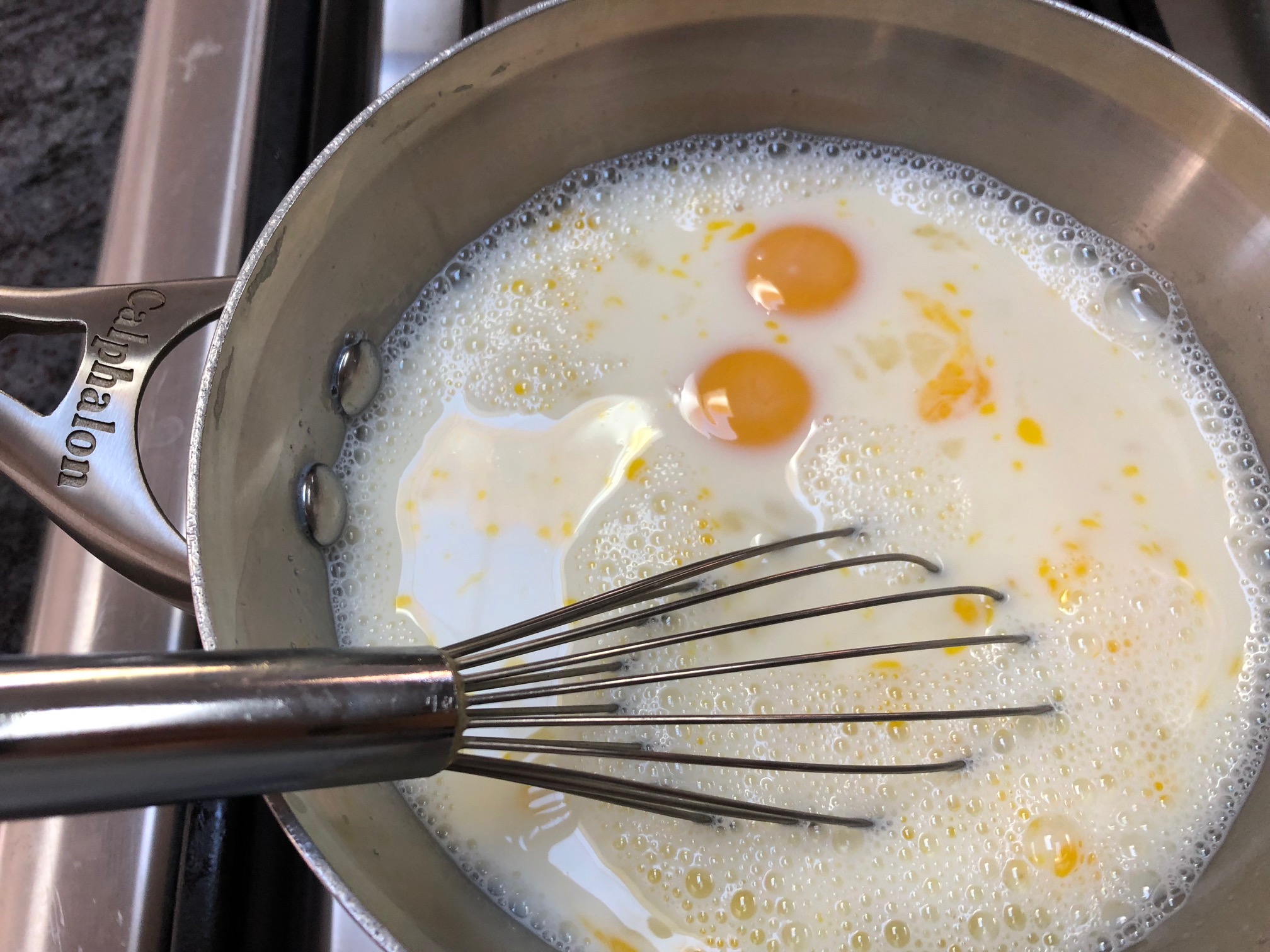
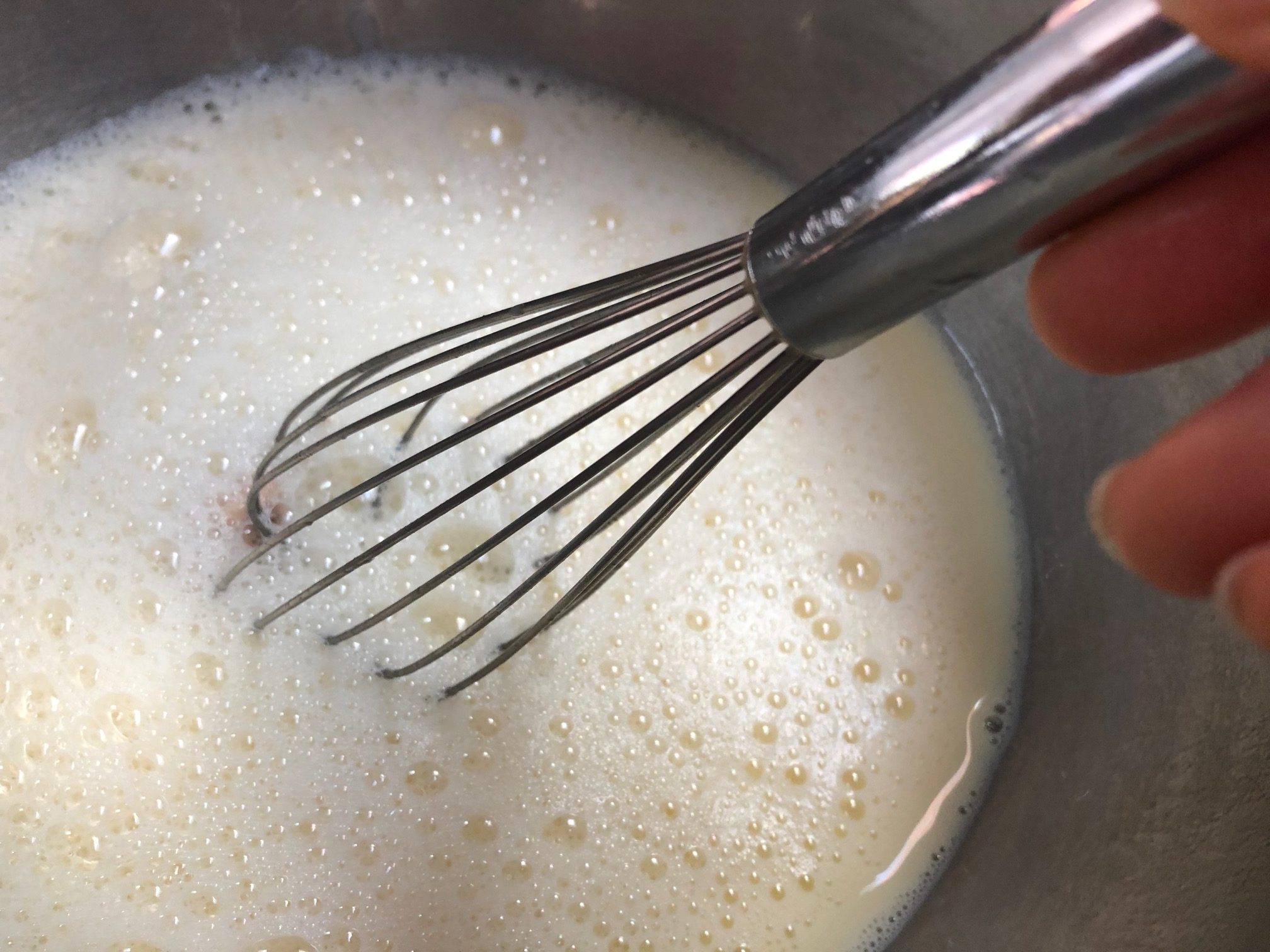
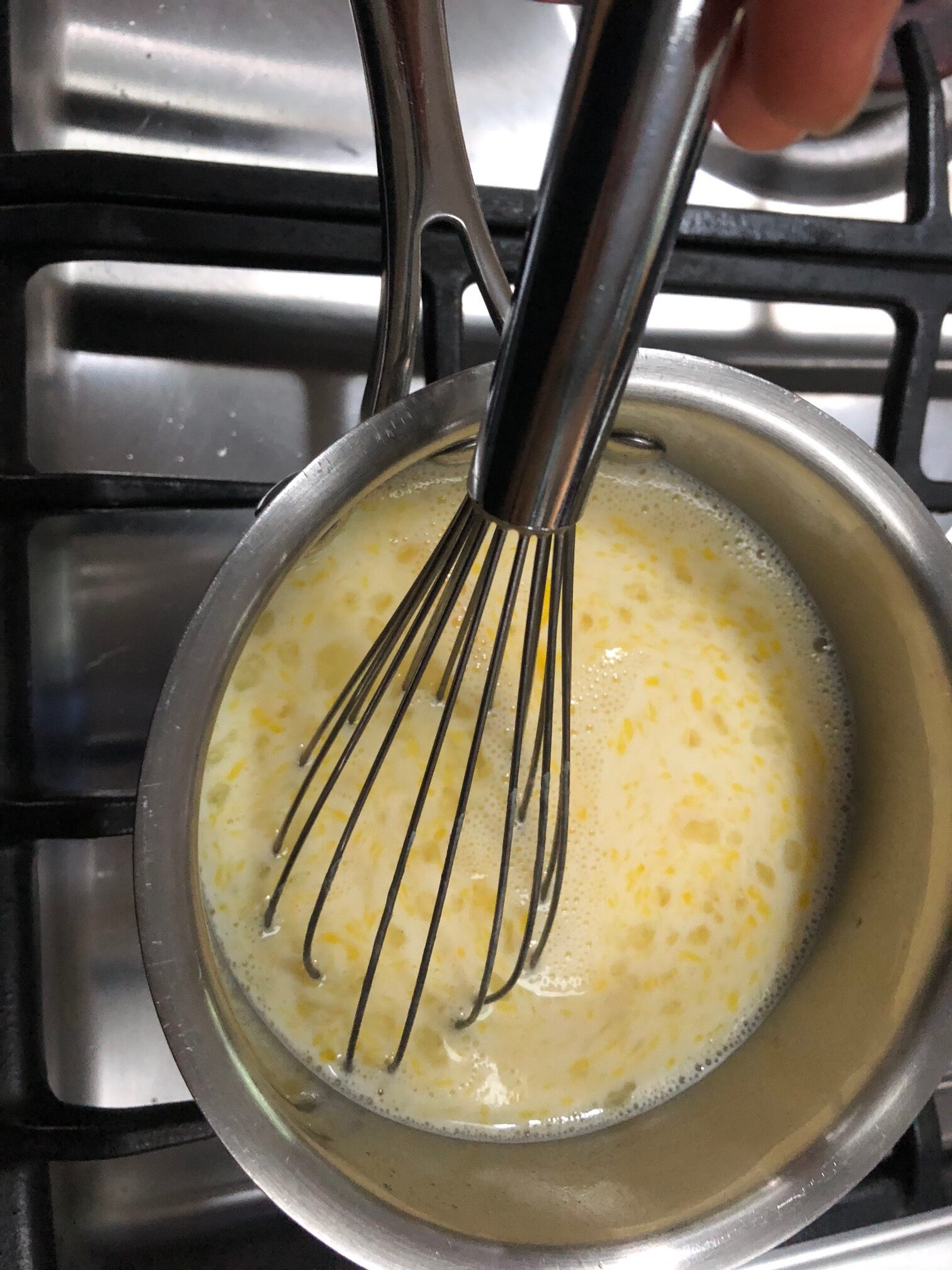
  1. Pour milk into a small saucepan. Add two whole eggs and the egg yolk (leave the egg white for coating), sugar, and with a whisk stir it all together over a medium heat until the mixture is lukewarm. Make sure you don’t overheat your mixture, otherwise it will kill the yeast. But if the mixture is too cold, the yeast will also not activate as fast, so make sure it's warm.

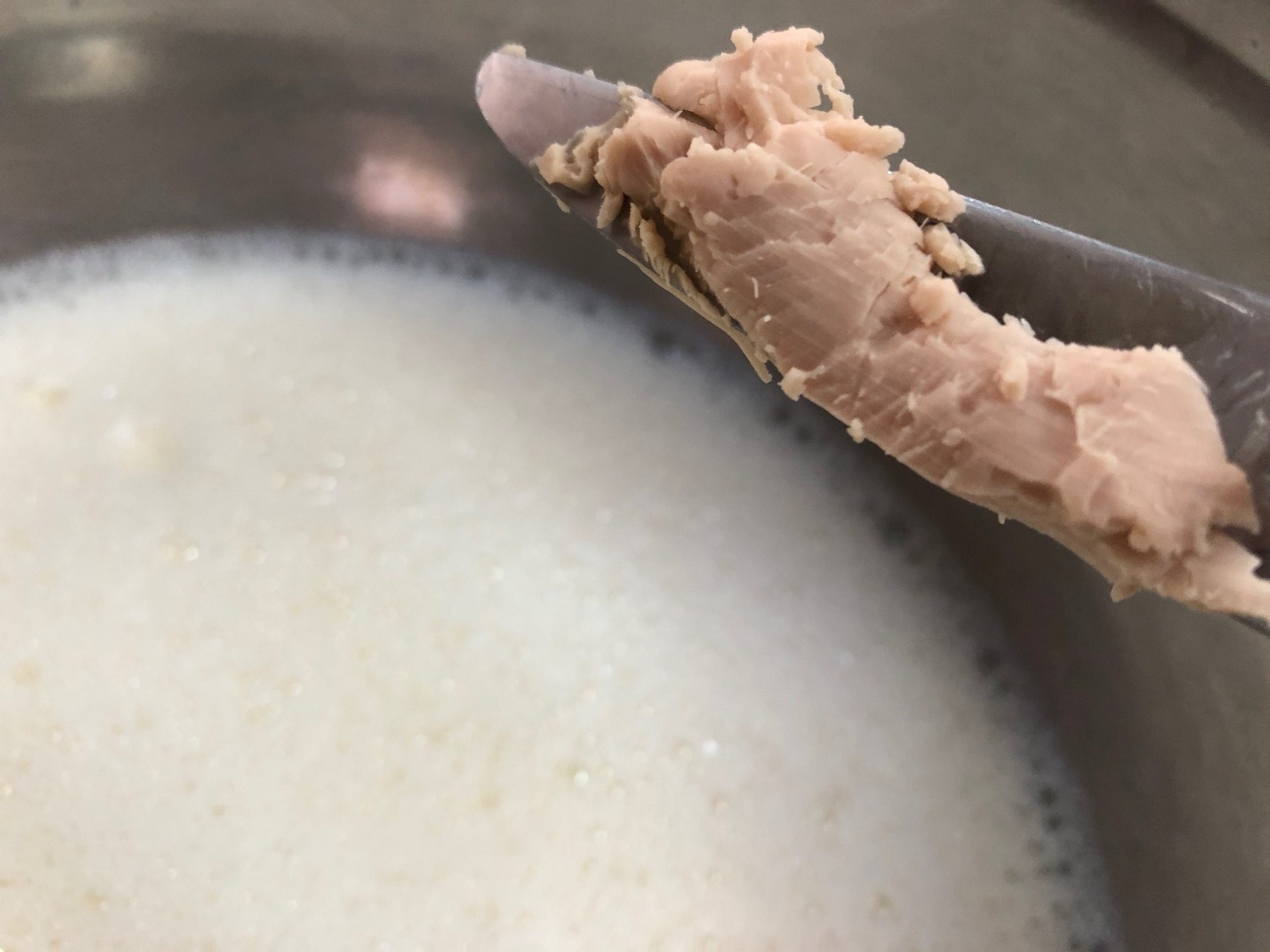
  2. Next, add the yeast and gently whisk it all together. Let the mixture stand for approximately 10 minutes until you notice the yeast is activated. You’ll notice bubbles forming on the surface. Personally I prefer using fresh yeast, but if you can’t get fresh yeast from your local baker, use dry yeast. In the end the effect is the same.

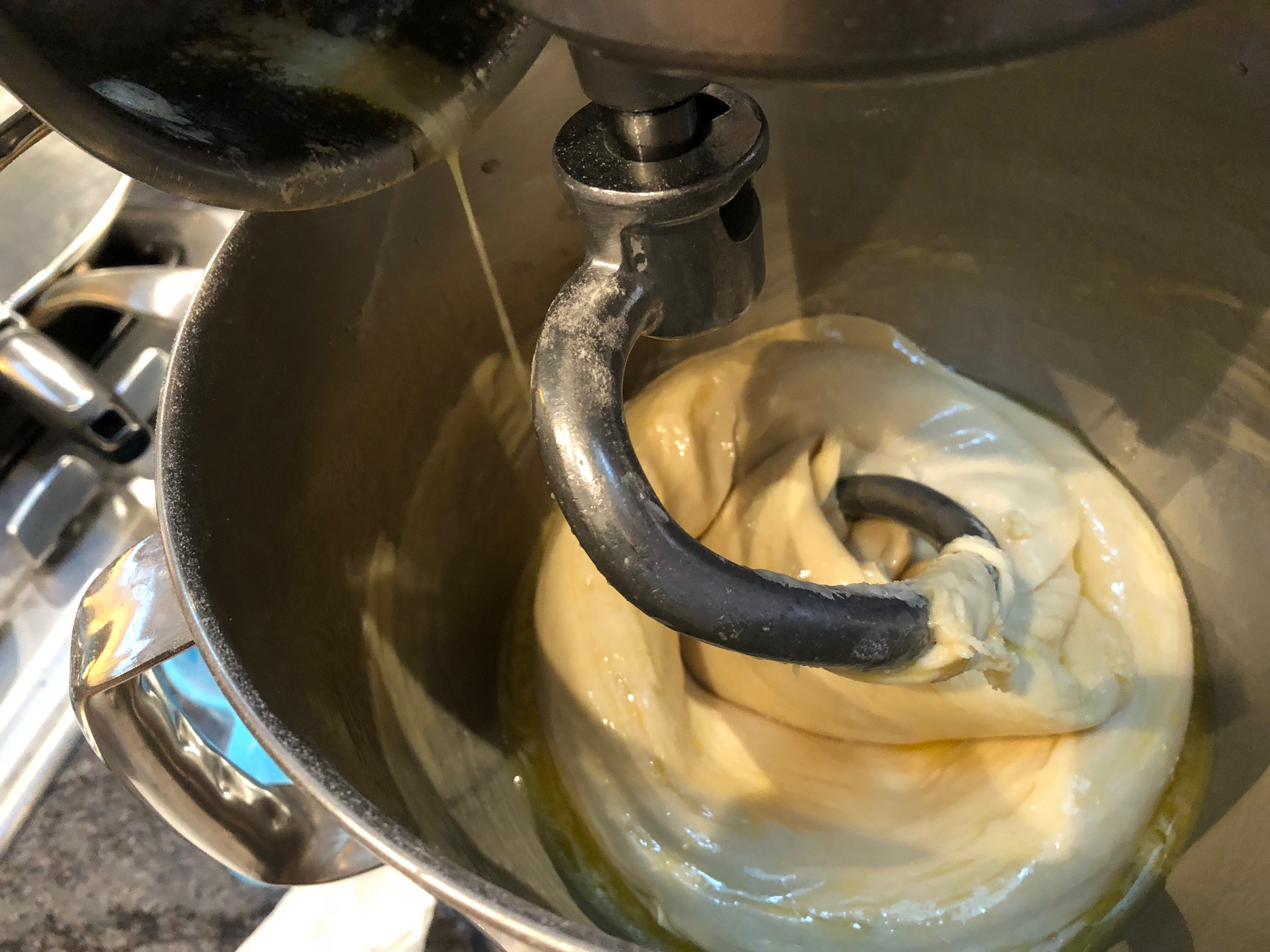
  3. Pour 4-5 cups of flour into the bowl of a stand mixer. Add salt and the liquid mixture to the flour, and using the dough hook extension, knead the dough until it starts pealing off the walls of the bowl. As the dough is being kneaded, melt butter over low heat. 

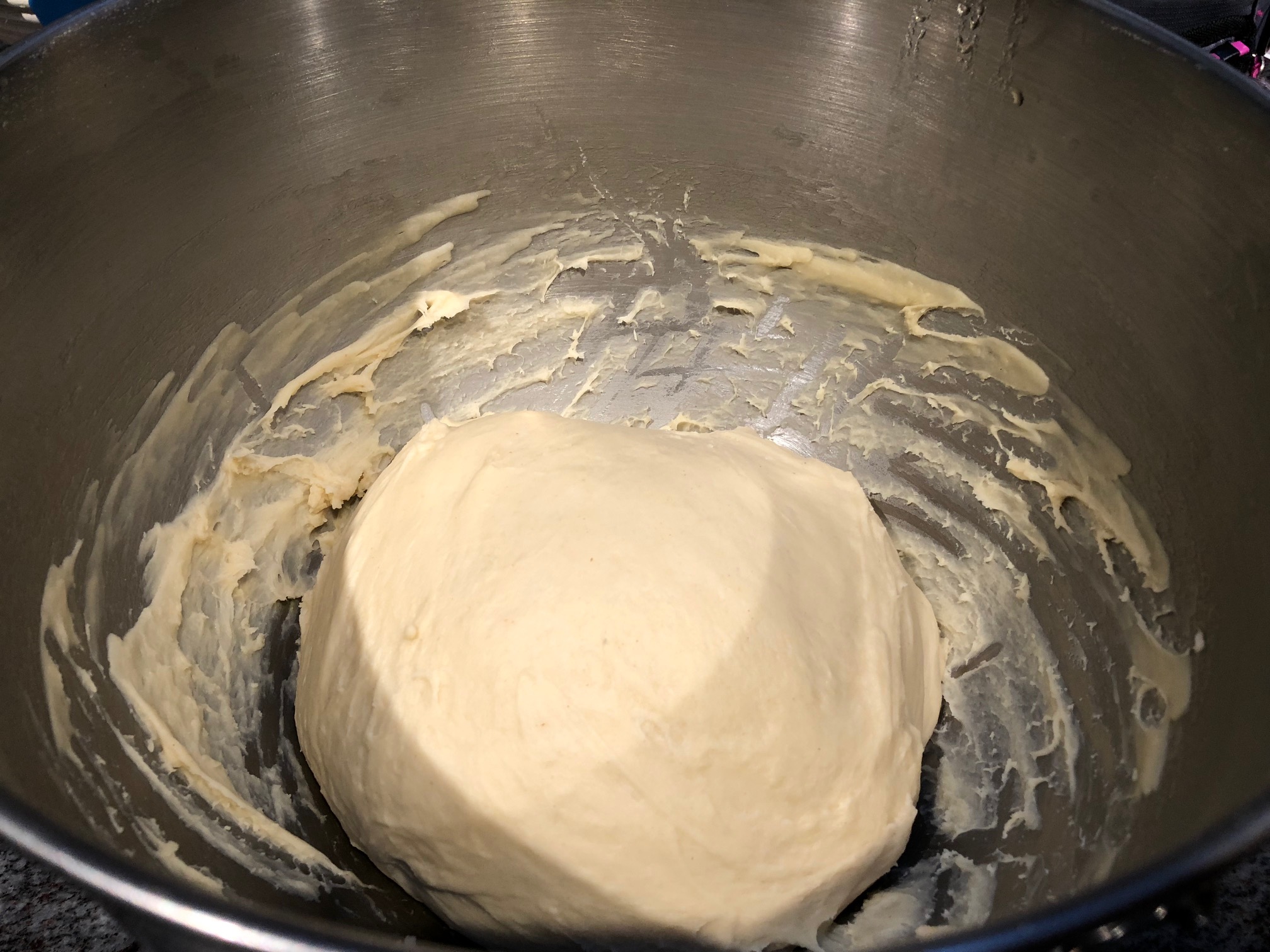
  4. Pay attention so that you don’t burn the butter. Cool it off slightly and only then add the melted butter to the fully uniform dough. You can tell when the dough is well kneaded when the walls of the bowl are clean. With my stand mixer it takes about 15 minutes

  5. Once the butter is fully mixed into the dough, find a dry warm place in your kitchen, cover the bowl with a clean dishcloth (my favorite is the linen kind), and let the dough rest for about one hour. During that time you should see your dough double in size.

Cinnamon & Almond filling

  1. While your dough is resting, take almond meal, sugar, cinnamon, and butter, and mix them all together with your hands until all uniform.

  2. Once your dough has doubled in size, take your dough and divide it into three equal portions. You can use a kitchen scale if you like.

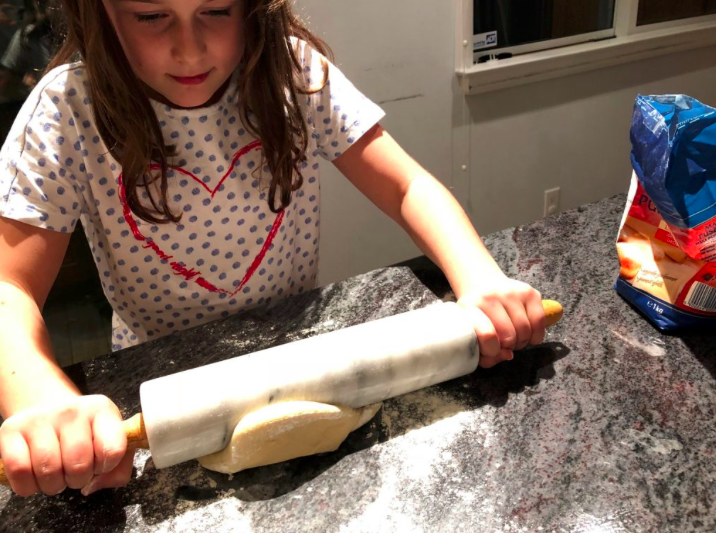
  3. Take one of the pieces and using a roller pin, roll the dough flat. About a 1/4 inch (about 0.5 cm) thick. Make sure you have some loose flour on hand so you can sprinkle the dough while rolling to prevent it from getting stuck onto the rolling pin. My favorite rolling pin is the one made out of marble. It has a nice weight to it and puts good pressure on the dough while rolling. 

    Cinnamon & Almond Rolls - 2
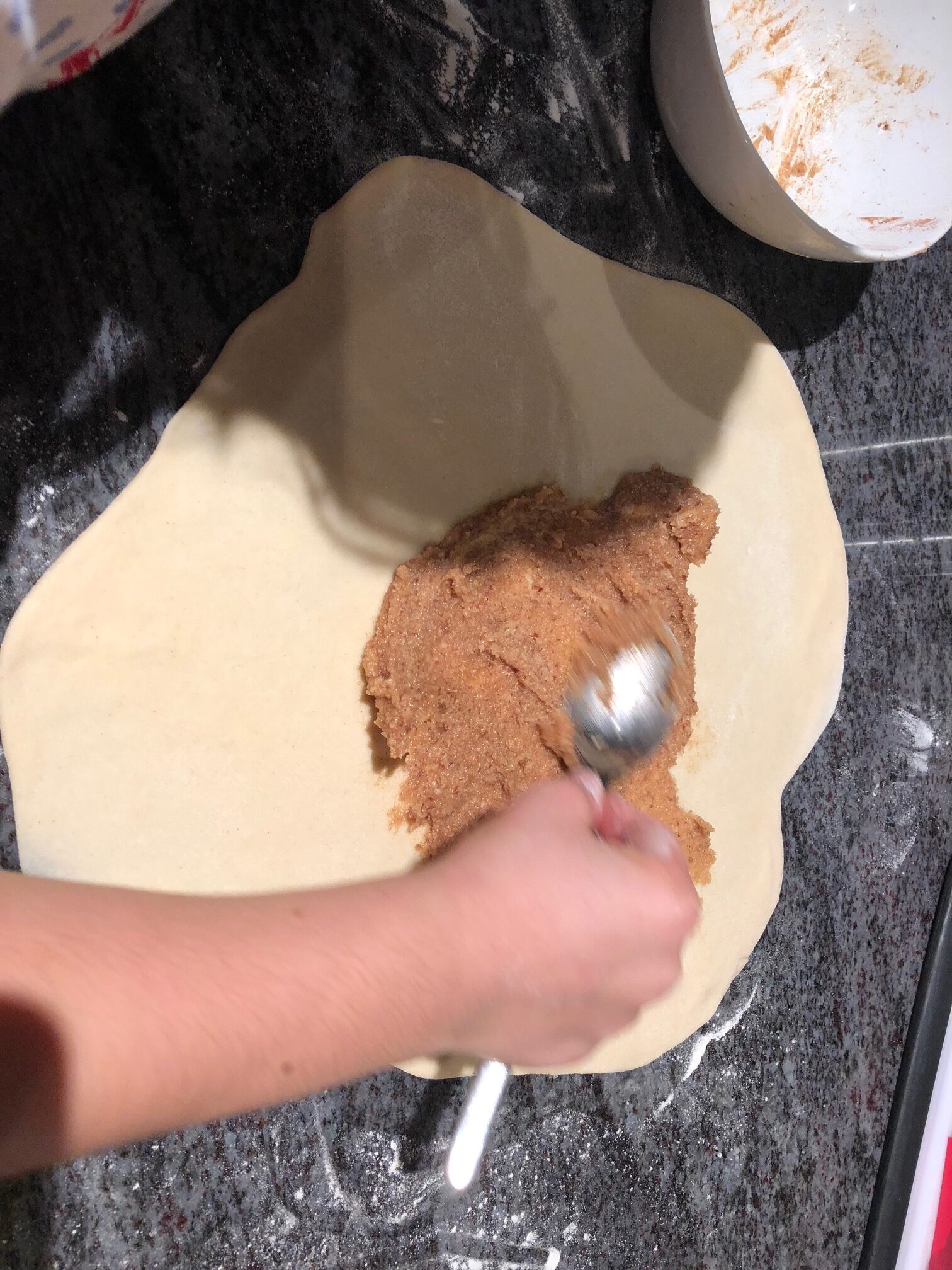
  4. Next, using a table spoon, distribute the almond & cinnamon mixture evenly right to the edge of your dough.

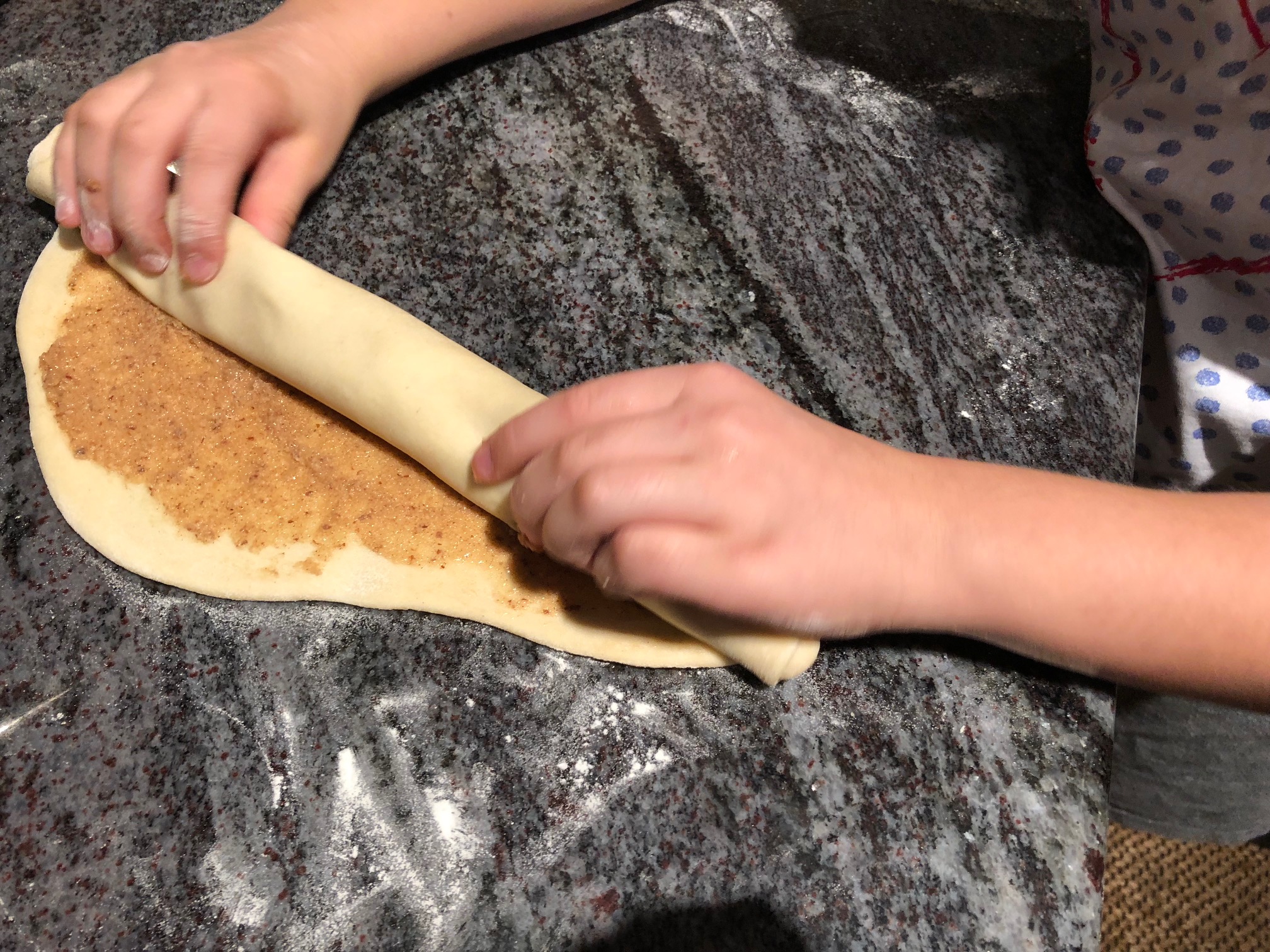
  5. Gently roll your dough and then using a sharp knife, cut 3 inch (about 8 cm) pieces and place them onto a 12" x 17" (30 x 43cm) baking sheet lined with parchment paper. Repeat these steps for each portion of the dough. You can also store your dough for up to 3 days in the fridge to bake another batch of fresh rolls.

  6. Preheat your oven to 350 degrees Fahrenheit or 180 Celsius. While the oven is preheating, let the rolls rest for about 30 minutes.

    Cinnamon & Almond Rolls - 1
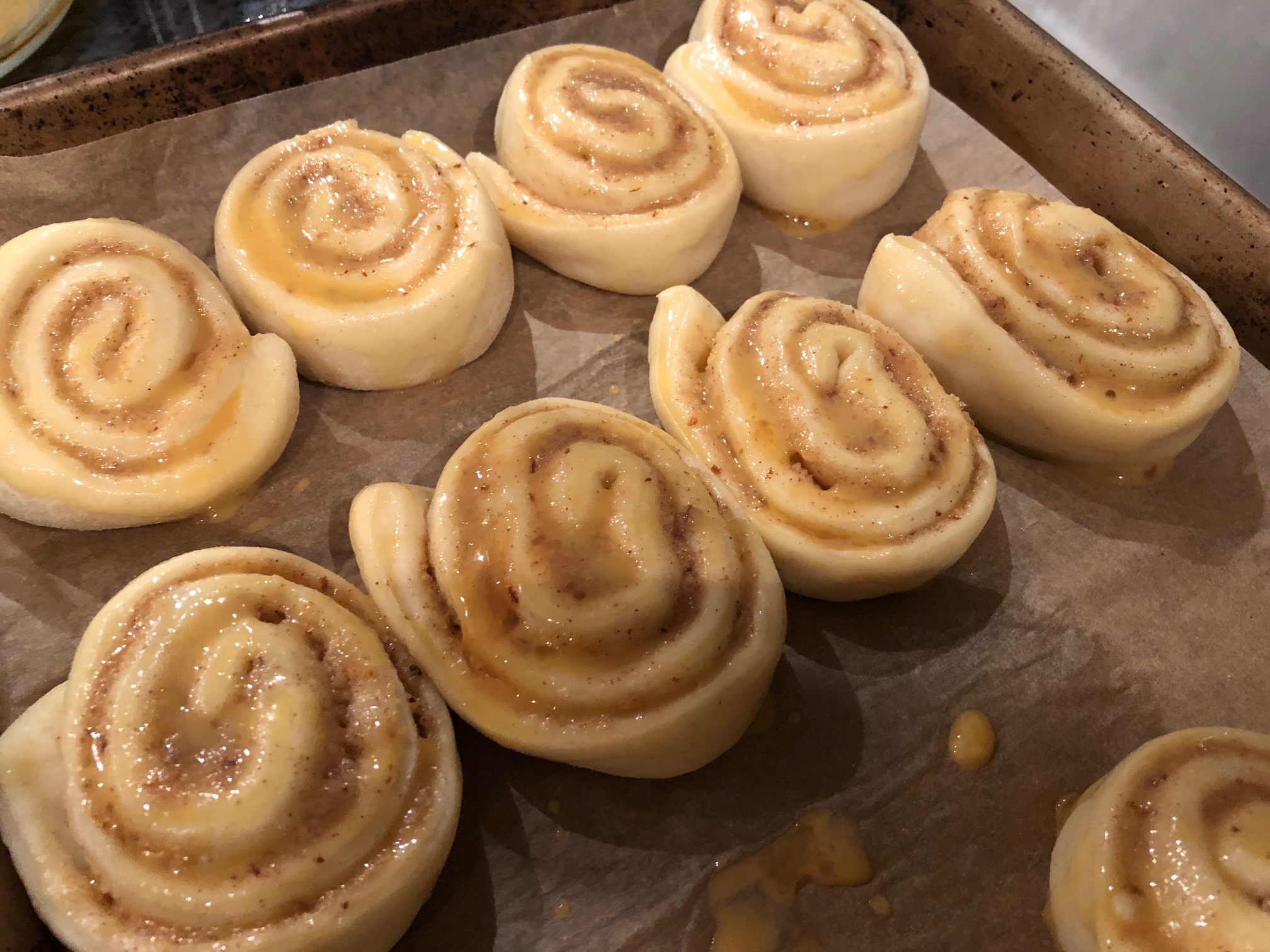
  7. With a brush, glaze the buns with the left over egg-white and then bake for about 25 minutes.

Bread Ingredients

Eating healthy in the United States has been a challenge for me. Coming from Europe, where I was exposed to delicious, simple, and homemade food, helped me realize quickly that unhealthy food dominates the shelves at the many major grocery stores in the U.S. I also realized that many people in the U.S. want, and choose, food that’s quick, cheap, and convenient. But, what many don’t realize is that choosing convenient and cheap food, often comes with a very high hidden price. Your health!

If it looks too good to be true, it probably is

I remember going to the grocery store for the first time in the U.S. and seeing the beautifully red and plump tomatoes displayed in the produce section. It was December, and I was impressed that such beauties were available for me to enjoy in the cold winter months. I bought two pounds, thinking that I’ll be eating them like apples for dessert.

When I got home and bit into one of those picture-perfect tomatoes, I noticed right away that they tasted nothing like I expected. The skin was hard and thick and the taste was watered down. Barely resembling the taste of a tomato I got used to eating in Italy or Poland.

To extend shelf life of food, taste and nutrition is often what gets sacrificed

I run into similar experiences with eggs, milk, cheese, strawberries, potatoes, chicken, and many other foods sold in the U.S. But the most disappointing is the taste of bread. Especially the sandwich kind sold in plastic bags.

That bread is the softest thing I ever touched. It feels like cotton. It looks like cotton too, pure white and fluffy. The most amazing feature about this bread is it’s shelf life. You can eat it for a month, and it still tastes fresh. In contrast, the bread I make at home stays fresh for two days max.

Before learning about the U.S. wheat and flour, I would buy this sandwich bread regularly. I even enjoyed a couple of toasted slices with butter for breakfast. But it still did not taste as good as the bread I grew up on. Plus, I started noticing that each time I ate a sandwich made with that bread, I felt bloated afterwards. I also started gaining weight. Despite regular exercise and eating similar amounts of calories each day. I missed the European type of bread, but the idea of baking my own bread each day was not realistic with a full-time job.

Many foods in the U.S. have additives in them that are banned in most of the world

After having my first baby, I started noticing that I was getting sick more often and my health was getting worse too. I begin doing some research and started paying more attention to the food labels. What I discovered was shocking. Many popular foods sold across the U.S. are stuffed with chemicals, preservatives and food dies that are banned in most of the world.

And despite the fact that the Food and Drug Administration (FDA) allows these ingredients to be added to so many U.S. foods because of inconclusive studies, does not mean that they don’t affect our health. Especially when we ingest these additives on a daily basis and consider the cumulative effect they have on our health.

To start eating healthy, the best thing you can do is to cook from scratch with the right ingredients

As a mom who wants to raise healthy kids, I find myself spending hours at the grocery store trying to decrypt the food labels to understand what’s hidden in my food. It isn’t easy, and for someone who doesn’t have the time, or a chemistry degree, it’s difficult to figure out which foods are good or bad for you.

The best approach is to start making food from scratch. I know for many this is difficult, but at least try making one meal where you actually turn on the stovetop or even try out the oven. Not only is this a great opportunity to bond with your family, but it’s a way to involve your kids in food preparation. And, get a sense of satisfaction after sharing the meal you made with the people you love.

As I have mentioned in my previous posts, try to avoid Enriched flour and use European flour if you can. At least try it and see if you notice a difference. And, be a smart consumer. Do your research before you shop. Choose foods that are made from ingredients you recognize and the food labels don’t look like a novel.

***

Read: Ten Simple Tips to Stay Fit and still enjoy eating Bread.

***

If you are interested in learning more, below are a few blogs and sites that I found very insightful:


The healthy home economist The Healthy Home Economist
I like their article on why wheat is toxic, real-reason-for-toxic-wheat-its-not-gluten.


Food babeFood Babe
Vani Hari offers many healthy options for cooking and baking healthy foods. My favorite is her article on the ingredients to avoid in the processed food you buy, ingredients-to-avoid.


The perfect loafThe Perfect Loaf 
It’s a wonderfully beautiful site. Simple and Maurizio covers many great reasons why naturally leavened bread is not only important for the taste of the bread, but also why it’s important for your health. Don’t rush the bread making process, theperfectloaf.com.